
The Partners Blog
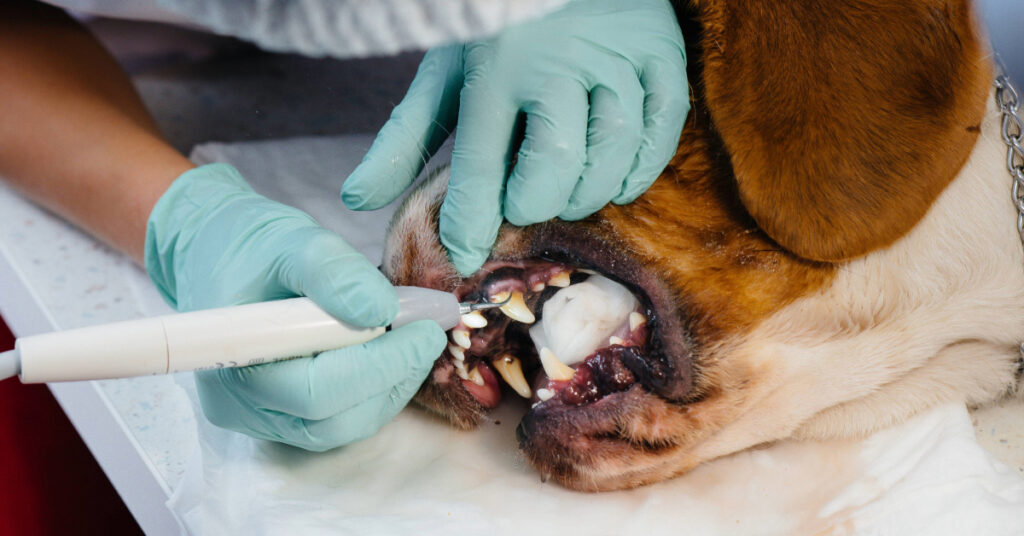
What Happens During a Professional Pet Teeth Cleaning?
Have you wondered, "What happens during a professional pet teeth cleaning?" During a professional teeth cleaning, your pet gets a pre-anesthetic check, is placed under general anesthesia, and has plaque and tartar removed above and below the gumline. Then the teeth are polished, X-rays are taken, and a care team...

Are Dental Chews Enough to Keep My Pet’s Teeth Clean?
Dental chews can help slow plaque and tartar on the visible surfaces of the teeth, but they can't replace brushing, professional cleanings, or a veterinarian's exam. Think of a chew as a helpful supporting player rather than the whole team. At Partners Animal Hospital NoDa in Charlotte, North Carolina, owners...

Signs Your Dog Needs a Tooth Removed
A dog needs a tooth removed when the tooth is fractured, infected, loose, or too damaged to repair, and the most common warning signs are foul breath, drooling, dropped food, and swelling around the face. Because many dogs suffer quietly, a veterinary exam with dental X-rays is the only dependable...
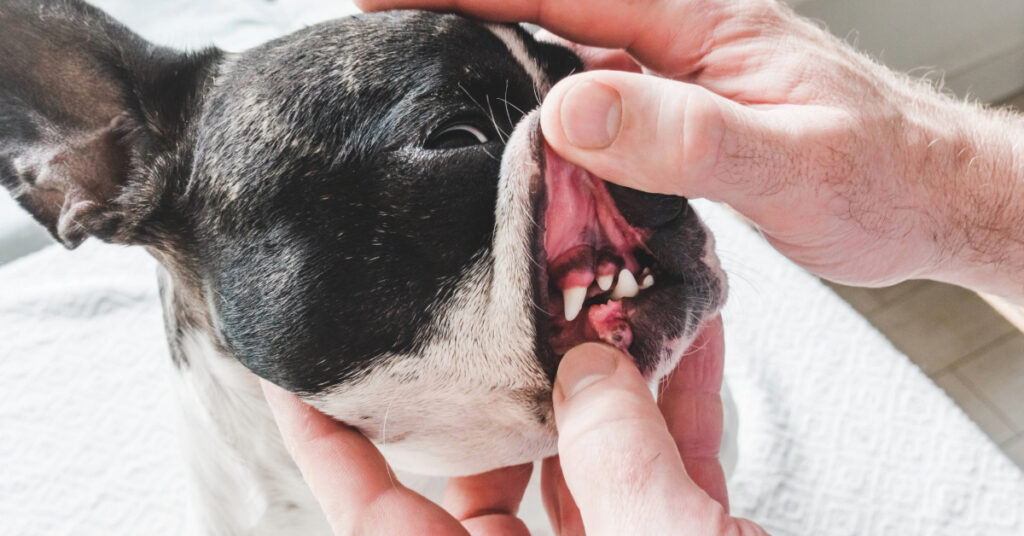
Why Are My Dog’s Gums Red and Bleeding?
If you're wondering, "Why are my dog's gums red and bleeding?", the most likely cause is gum disease (gingivitis or periodontitis) triggered by plaque and tartar along the gumline. Other dental problems, such as a cracked tooth, an abscess, or an object stuck between the teeth, can look similar, so...
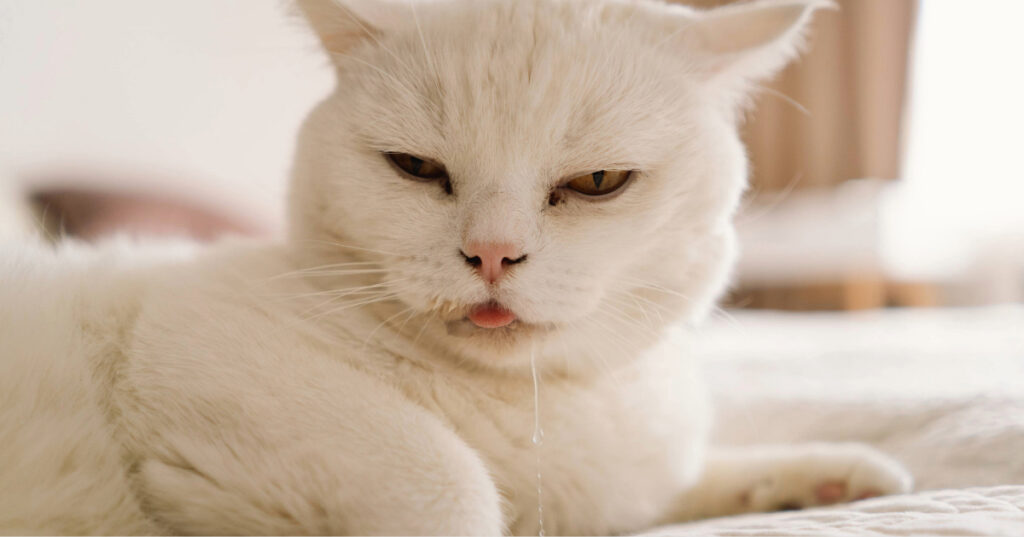
Why Is My Cat Drooling More Than Normal?
A cat drooling more than normal is usually reacting to a problem in the mouth, the stomach, or the body as a whole. Dental disease is among the most common causes, but nausea, a foreign object, mouth sores, and contact with irritating substances can also trigger heavy salivation, so a...
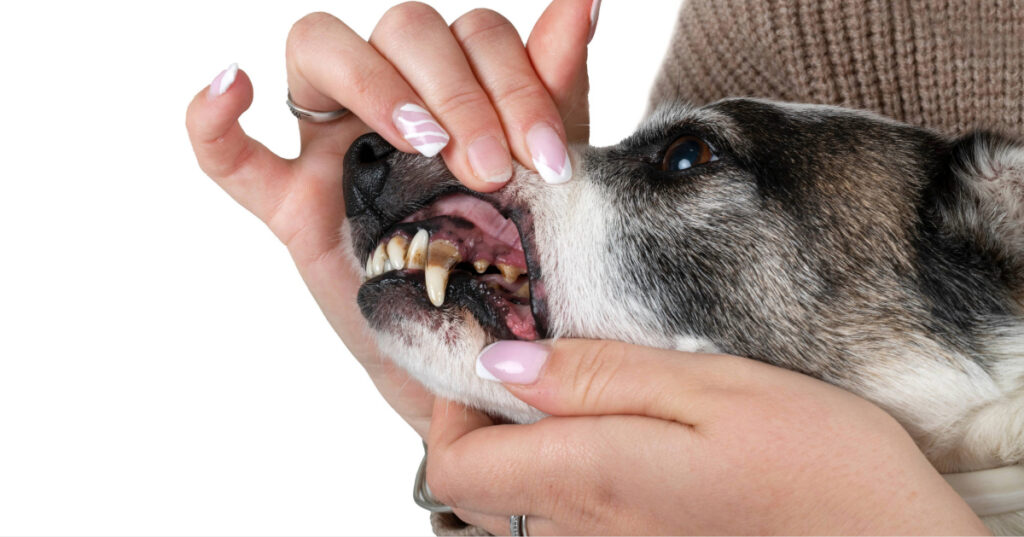
Why Are My Dog’s Teeth Turning Brown?
Are your dog's teeth turning brown? The most common cause is tartar, a hardened layer of plaque that stains as it builds up along the gumline. Less often, a single brown, gray, or purple tooth signals that the tooth itself has been damaged or has died. Either way, a veterinary...
Why Does My Dog Cry When Chewing?
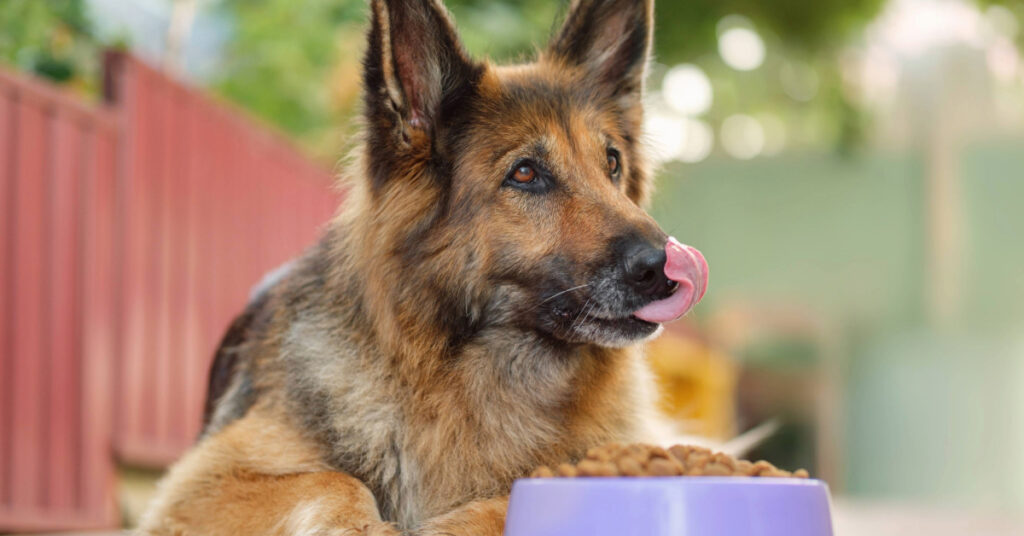
If you hear your dog cry when chewing, something in the mouth almost certainly hurts. A cracked tooth, an infected tooth root, inflamed gums, a sore jaw joint, or an object caught between the teeth are the usual suspects, and only a veterinary exam can tell them apart. Most dogs...

Why Is My Cat Pawing at Their Mouth?
A cat pawing at their mouth is usually signaling discomfort from a sore tooth, irritated gums, or something lodged between the teeth. A veterinary exam is the only way to pin down which. One quick swipe after dinner is ordinary cat housekeeping, but repeated, focused, or frantic pawing is a...

Tooth Rot Abscess in Dogs
A tooth rot abscess in dogs is a pocket of infection that forms at the root of a diseased or broken tooth, and it usually brings pain, swelling, and reluctance to chew. Bacteria typically slip in through a fracture, a deep defect in the enamel, or gum disease that has...
Dental Care Tips for Cats and Dogs
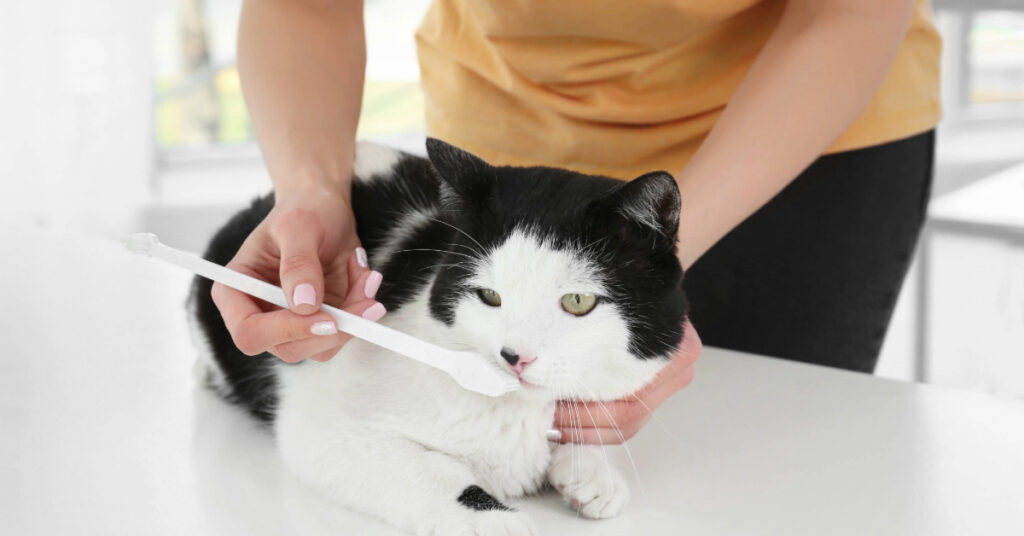
The most effective dental care tips for cats and dogs come down to three habits: brush every day with pet-safe toothpaste, keep up with regular mouth exams, and schedule a professional cleaning when your veterinarian says it's time. Dental disease is among the most common conditions veterinarians treat in adult...