
What Happens During a Professional Pet Teeth Cleaning?
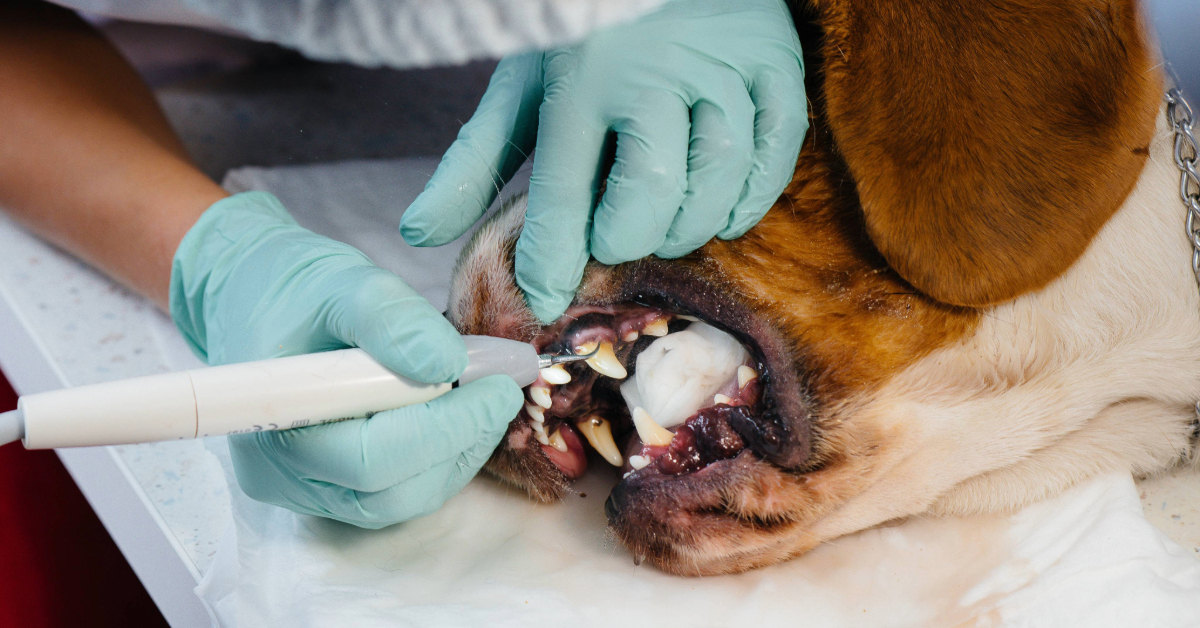
Have you wondered, “What happens during a professional pet teeth cleaning?” During a professional teeth cleaning, your pet gets a pre-anesthetic check, is placed under general anesthesia, and has plaque and tartar removed above and below the gumline. Then the teeth are polished, X-rays are taken, and a care team member watches your pet closely until they wake up. At Partners Animal Hospital NoDa in Charlotte, North Carolina, many owners feel uneasy before a first dental visit, and that’s completely understandable. Knowing the steps ahead of time takes much of the mystery out of the day. In this blog, we’ll discuss what your veterinarian checks first, why anesthesia matters, what happens when disease turns up, and how to plan for drop-off and pickup. Below is a clear look at what happens during a professional pet teeth cleaning, from check-in to the ride home.
What Does a Veterinarian Check Before Cleaning a Pet’s Teeth?
A safe cleaning begins well before any instrument touches a tooth. The pre-cleaning workup tells our team whether your pet is ready for anesthesia and what the mouth looks like at the start.
A Complete Physical Exam
Your veterinarian listens to your pet’s heart and lungs, checks weight and hydration, and feels the abdomen and lymph nodes. Age, breed, and medical history all shape the plan. A senior cat with a heart murmur, for example, needs a different approach than a healthy young terrier.
Bloodwork and Health Screening
Many practices run blood tests before a dental procedure. These results show how the liver and kidneys are working, which helps the team choose medications and fluid support that suit your pet. It’s a routine part of what happens during a professional pet teeth cleaning, and it gives everyone confidence before the day begins.
An Initial Look at the Mouth
While your pet is awake, your veterinarian often gets a quick view of the teeth and gums. The goal is a baseline, since a full assessment requires sedation. Typical observations include:
- Tartar buildup and gum redness
- Loose, broken, or discolored teeth
- Bad breath that points to infection
- Lumps, sores, or swelling along the gums
Your Questions Matter Too
Our team also wants to hear what you’ve noticed at home, such as dropped food, pawing at the face, or a shift in appetite. Those details guide the exam and help your veterinarian know where to look closely once your pet is asleep.
Why Do Pets Need Anesthesia for a Professional Dental Cleaning?
Anesthesia is the part of a dental visit that worries owners most, so it deserves a plain explanation. In short, it allows a thorough, comfortable, and safe cleaning that a wide-awake pet simply couldn’t tolerate.
Animals Can’t Hold Still on Request
People open wide and stay put for their hygienist. Pets can’t follow those instructions. Scaling beneath the gumline means working with sharp instruments near sensitive tissue, and a squirming patient risks injury. A sleeping pet lets our team reach every surface, including the back molars and the inner sides of the teeth.
Protecting the Airway
During a cleaning, water and debris are released in the mouth. A breathing tube placed by our team keeps the airway protected so that fluid doesn’t travel toward the lungs. That safeguard is one reason professional care differs so much from cosmetic “anesthesia-free” scaling, which can polish the visible surface while leaving disease below the gums untouched.
Careful Monitoring From Start to Finish
Anesthesia is tailored to each patient, and a trained team member watches your pet throughout. Monitoring usually includes:
- Heart rate and rhythm
- Blood oxygen levels
- Breathing rate
- Blood pressure and body temperature
Warming support and intravenous fluids are common as well. When owners ask, “What happens during a professional pet teeth cleaning that makes anesthesia worthwhile?”, the answer is that it makes X-rays, deep scaling, and any needed treatment possible in one calm session.
What Happens If Dental Disease Is Found During a Pet’s Cleaning?
Sometimes the mouth looks worse once our team can see the whole picture. Finding a problem is not a failure of the visit. It is the reason the visit matters.
Charting and Imaging
Your veterinarian examines each tooth with a probe and records findings on a dental chart. Dental X-rays then reveal what sits below the gumline, such as root infections, bone loss, or fractures. Since roughly two-thirds of each tooth is hidden, imaging often changes the plan.
Possible Treatments
Treatment depends on what the exam and X-rays show. Options your veterinarian may discuss include:
- Extraction of a tooth that is loose, fractured, or infected
- Deeper cleaning of gum pockets
- Referral to a veterinary dental specialist for complex cases
- Removal or biopsy of suspicious growths
Partners Animal Hospital NoDa can walk you through which path makes sense for your pet’s age, size, and overall health.
Staying in the Loop
Good practices contact you during the procedure when significant findings appear. You’ll hear what was discovered, what our team recommends, and what it will cost before additional work begins. That way, what happens during a professional pet teeth cleaning never includes surprises you didn’t agree to. Many pets feel dramatically better after a painful tooth comes out, and owners often report a livelier, happier companion within days.
What Should You Expect on Cleaning Day and Afterward?
Good preparation makes the appointment smoother for everyone. A few simple steps before and after help your pet have an easy experience.
Before Drop-Off
Your clinic will give specific instructions about food, water, and any regular medications, so follow them carefully and ask if anything is unclear. Plan to arrive at your scheduled time and set aside a few minutes to review paperwork and estimates.
Waking Up and Recovering
After the cleaning and polishing, your pet moves to a quiet recovery area. Team members stay nearby as the anesthesia wears off. Most pets feel groggy for a bit, and some act a little sleepy into the evening.
Heading Home
When you pick up your pet, a team member will go over what was done, any findings, and written discharge instructions. Bring your questions, since this is the best time to ask about diet, follow-up visits, and a dental care plan. Understanding what happens during a professional pet teeth cleaning includes knowing what comes next, and your veterinarian will tailor those next steps to your pet.
A Brighter Smile Begins With One Appointment
Clean teeth do more than freshen breath. They support comfortable eating, healthy gums, and a more playful pet. If you’re wondering what happens during a professional pet teeth cleaning, or whether your dog or cat is due for one, our team at Partners Animal Hospital NoDa is happy to answer your questions and examine your pet’s mouth. Families across Charlotte trust our clinic for thoughtful, compassionate dental care. Call us at (704) 275-2109 or book an appointment online, and let your veterinarian recommend a cleaning schedule that fits your companion. A little planning today can mean years of comfortable chewing ahead.
Recent Posts
About Us
At Partners Veterinary Group, we believe in energizing our team members through shared values, while helping them create value for our clients and patients. Knowing we can help make pets’ and people’s lives better motivates us to continually strive for excellence and love what we do.
Our team consistently works to build educational, supportive, and cooperative work environments that cater to positive experiences and professional growth. We’re constantly evolving, creating innovative ways to deliver cutting-edge medicine to our patients. We equip our teams with tools to enhance their skills and improve their knowledge.