
Why Are My Dog’s Gums Red and Bleeding?
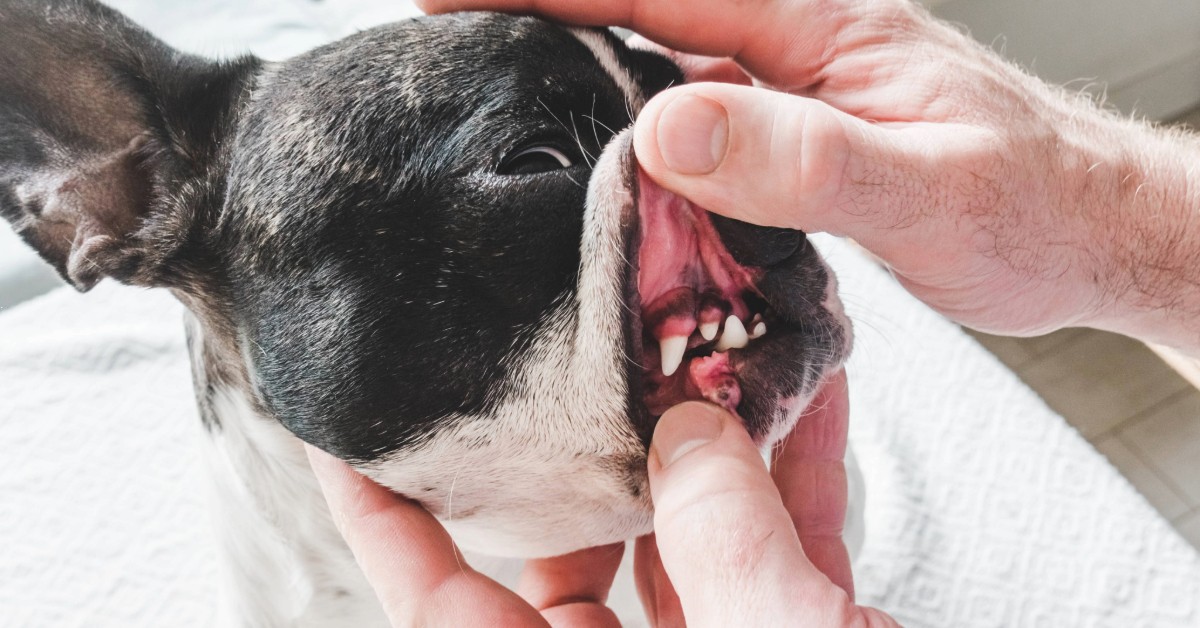
If you’re wondering, “Why are my dog’s gums red and bleeding?”, the most likely cause is gum disease (gingivitis or periodontitis) triggered by plaque and tartar along the gumline. Other dental problems, such as a cracked tooth, an abscess, or an object stuck between the teeth, can look similar, so a veterinary exam is the only way to know for sure. Gum changes are easy to overlook because dogs rarely complain about mouth pain. At Partners Animal Hospital NoDa in Charlotte, North Carolina, our team often meets dogs whose owners first noticed a pink-tinged water bowl or a spot of blood on a chew toy. Below, we’ll explain what can turn a dog’s gums red and bleeding, how plaque and tartar play a part, which other dental issues mimic gum disease, and what a visit involves. Here is what to know if you’ve spotted those warning signs at home.
Can Plaque and Tartar Cause a Dog’s Gums to Bleed?
Yes, and they are the leading culprits. Plaque is a sticky film of bacteria that coats the teeth after meals, and it can harden into tartar within a few days. Both irritate the gums and set the stage for bleeding.
How Buildup Inflames the Gums
Bacteria along the gumline trigger the body’s inflammatory response, which leaves the tissue swollen, tender, and fragile. Healthy gums look firm and pink (some dogs have naturally dark pigment). Gums that turn bright red or puffy, especially in a thin line right beside the teeth, often signal early gingivitis. A brush of a toy or a bite of kibble can then cause bleeding.
From Gingivitis to Periodontal Disease
Early gingivitis can be reversed with professional care. Left alone, inflammation can creep below the gumline and damage the ligaments and bone that hold teeth in place. That stage, periodontal disease, tends to bring stronger breath odor, receding gums, and loose teeth. Because the roots sit out of sight, your dog’s gums can be red and bleeding while the deeper damage goes unseen until X-rays are taken.
Who Is Most at Risk
Small breeds and flat-faced dogs often have crowded teeth that trap debris. Older dogs have had more years of buildup. Dogs who eat mostly soft food or never receive dental exams may collect tartar faster than those on a regular care plan. Risk varies from dog to dog, so ask your veterinarian what to expect for yours.
What Other Dental Problems Can Cause Red or Bleeding Gums?
Tartar is common, but it isn’t the only explanation. When a dog’s gums are red and bleeding, your veterinarian also considers several other conditions inside the mouth.
Teeth and Injuries
- A fractured or cracked tooth that exposes sensitive tissue
- A tooth root abscess, which can cause swelling and drainage
- A stick, bone fragment, or bit of toy wedged between teeth
- Retained baby teeth that crowd adult teeth and trap bacteria
- Trauma from chewing very hard items such as antlers or hooves
Growths and Other Oral Conditions
Some dogs develop gum overgrowth, benign lumps, or, less often, tumors that bleed easily. Mouth ulcers, inflammatory conditions, and infections can also leave the gums raw and red. These problems may look alike from the outside, which is why home guesswork falls short.
When Bleeding Points Beyond the Mouth
Occasionally, bleeding gums reflect something systemic, such as a clotting problem or another illness. That’s one reason veterinarians look at the whole patient rather than only the teeth. Bruising, nosebleeds, pale gums, or unusual weakness alongside mouth bleeding call for prompt attention.
How Do You Know It’s Time to Call the Vet?
A little pink on a toy after a vigorous chew may not be an emergency, but repeated bleeding should never be brushed off. If your dog’s gums are red and bleeding for more than a day or two, schedule an exam.
Signs That Should Prompt a Visit
Contact your veterinarian if your dog’s red or bleeding gums come with:
- Bad breath that has grown much worse
- Drooling, sometimes blood-tinged
- Dropping food or chewing on one side
- Pawing at the face or shying away from touch
- Loose, broken, or discolored teeth
- Swelling of the face or jaw
When It’s an Emergency
Heavy bleeding that won’t slow, rapid facial swelling, trouble breathing, collapse, or very pale gums require urgent care. If Partners Animal Hospital is closed, call the nearest emergency hospital right away.
Why Early Action Helps
Gum disease tends to progress quietly. Dogs with mild inflammation often recover well with a professional cleaning, while advanced disease may require extractions and more involved care. Checking sooner gives your dog more comfortable options. Our Partners Animal Hospital NoDa team can look at the whole mouth, not only the spot you noticed.
What to Expect at the Vet for a Dog’s Gums Red and Bleeding
Knowing the process can ease your nerves. The visit starts with a conversation and moves to a hands-on look at the mouth.
Questions Your Vet May Ask
Helpful details include when you first saw the bleeding, which area seems affected, what your dog chews, and any changes in appetite or energy. Jot a few notes before you arrive.
The Exam and Dental X-Rays
Your veterinarian checks the teeth, gums, tongue, and jaw, then may recommend dental X-rays to see beneath the gumline. A full evaluation and cleaning often require general anesthesia so the team can work safely and comfortably, with monitoring throughout. You’ll hear the findings, options, and estimated costs before any treatment begins.
Care at Home After a Dental Visit
Your veterinarian will send you home with written instructions. Many plans include daily brushing with pet-safe toothpaste, veterinary-approved dental products, and scheduled rechecks. Don’t start home treatments for bleeding gums on your own, since the right approach depends on the cause.
Helping Your Dog Smile Again
Seeing red, bleeding gums can be worrying, but it’s also a useful signal that your dog needs attention. When a dog’s gums are red and bleeding, the sooner your veterinarian investigates, the more options usually remain. Dental disease is common, treatable, and far easier to manage when it’s caught early. Our team at Partners Animal Hospital NoDa welcomes dogs from across Charlotte and is ready to examine your companion, explain what they find, and build a plan that fits. Call us at (704) 275-2109 or book an appointment online for a dental evaluation, and help your dog get back to crunching, playing, and wagging without the discomfort.
Recent Posts
About Us
At Partners Veterinary Group, we believe in energizing our team members through shared values, while helping them create value for our clients and patients. Knowing we can help make pets’ and people’s lives better motivates us to continually strive for excellence and love what we do.
Our team consistently works to build educational, supportive, and cooperative work environments that cater to positive experiences and professional growth. We’re constantly evolving, creating innovative ways to deliver cutting-edge medicine to our patients. We equip our teams with tools to enhance their skills and improve their knowledge.