
Why Is My Cat Drooling More Than Normal?
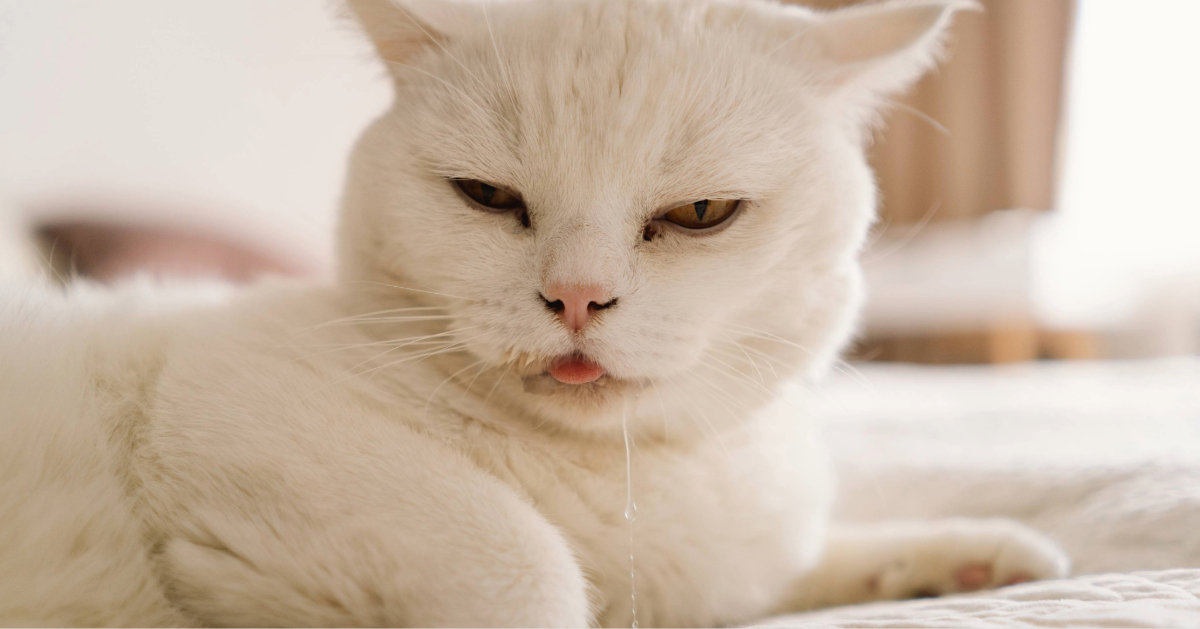
A cat drooling more than normal is usually reacting to a problem in the mouth, the stomach, or the body as a whole. Dental disease is among the most common causes, but nausea, a foreign object, mouth sores, and contact with irritating substances can also trigger heavy salivation, so a veterinary exam is the only reliable way to sort them out. Some cats drip a little when they’re relaxed and kneading in your lap, and that is harmless. Drool that is new, heavy, or paired with other changes is a different story. At Partners Animal Hospital NoDa in Charlotte, North Carolina, cat owners often call after spotting a wet chin or a damp patch on the blanket where their cat naps. This blog will discuss what can lead to a cat drooling more than normal, how dental problems fit in, which signs call for urgent care, and what a visit involves.
What Causes a Cat to Drool More Than Usual?
Saliva production ramps up for many reasons, and some are perfectly ordinary. The key is telling a quirk apart from a warning sign.
Drooling That Is Usually Harmless
Plenty of cats drool during moments of bliss. Purring on a favorite lap, kneading a soft blanket, or anticipating dinner can all bring on a little moisture. If the drooling matches your cat’s lifelong habits and they otherwise eat, play, and groom as usual, there is typically no cause for worry. A sudden change from that baseline deserves more attention than the drool itself.
Problems Inside the Mouth
A cat drooling more than normal often has discomfort or irritation in the mouth. Common culprits include:
- Gum disease or plaque and tartar buildup
- Broken teeth or painful tooth resorption
- Ulcers or inflamed tissue on the tongue, gums, or cheeks
- A piece of string, grass, or other material lodged in the mouth
- Oral growths that irritate surrounding tissue
Causes Beyond the Mouth
Sometimes the trouble starts elsewhere. Nausea from a stomach upset, upper respiratory infections, kidney or liver problems, stress, and exposure to toxic plants or household products can all lead to a cat drooling more than normal. Because these conditions look alike from the outside, a physical exam and sometimes bloodwork give your veterinarian a much clearer picture than guesswork at home.
Can Dental Disease Cause a Cat to Drool Excessively?
Yes, dental disease is one of the leading explanations. Cats feel mouth pain just like people do, but they hide it far better, so drooling may be one of the few visible hints.
How Mouth Pain Leads to Extra Saliva
Inflamed gums, infected teeth, and sore spots inside the cheeks all stimulate the glands that produce saliva. At the same time, a painful mouth makes swallowing less comfortable, so saliva pools and spills out. Owners often describe a wet chin, damp fur around the mouth, or drool on the bedding. A cat drooling more than normal for this reason may also look fine from across the room, which is why the problem is easy to miss.
Dental Conditions Cats Face
Cats develop some dental problems that dogs rarely do. Tooth resorption, for example, is a condition where the body gradually breaks down the tooth structure, and it can cause real discomfort even when the tooth looks nearly normal. Stomatitis, a severe inflammation of the gums and mouth lining, is another painful condition that can leave a cat drooling and reluctant to eat. Regular dental X-rays help veterinarians find these issues below the gumline.
Other Clues That Point to Dental Trouble
Drooling rarely travels alone. Watch for these companion signs:
- Bad breath that seems stronger than usual
- Chewing on one side or dropping food
- Pawing at the face or mouth
- Weight loss or a change in appetite
- A rougher, less groomed coat
If you notice several of these along with a cat drooling more than normal, a dental evaluation at Partners Animal Hospital NoDa is a sensible next step.
When Should Excessive Drooling in a Cat Be Considered an Emergency?
Most drooling calls for a prompt appointment rather than a late-night rush, but certain situations can’t wait. When in doubt, call your veterinarian or an emergency hospital and describe what you see.
Red Flags That Need Immediate Care
Seek urgent help if a cat drooling more than normal also shows any of the following:
- Trouble breathing, open-mouth breathing, or gasping
- Collapse, seizures, tremors, or sudden weakness
- Known or suspected contact with a poisonous plant, chemical, or medication
- Heavy vomiting or a swollen, painful belly
- A mouth that hangs open or cannot close
- Bleeding that doesn’t stop
Why Toxin Exposure Matters
Certain lilies, cleaning products, and medications meant for other animals or people can be dangerous to cats, and drooling is often an early reaction. If you think your cat encountered something harmful, contact a veterinary emergency hospital or a pet poison helpline right away and bring the product packaging along if you can.
Urgent Versus Soon
Drooling that has lasted more than a day, comes with a lost appetite, or appears alongside bad breath and hiding behavior should be examined within the next day or so. Cats that stop eating face additional health risks fairly quickly, so don’t wait for the situation to resolve by itself. Your veterinarian can tell you how soon to come in based on the signs you describe.
What Will Your Veterinarian Do to Find the Cause?
A visit for a cat drooling more than normal follows a logical path. Our team at Partners Animal Hospital NoDa starts broad and narrows down toward the source of the problem.
Details That Help the Diagnosis
Your observations carry real weight. Try to note when the drooling started, whether it comes and goes, what your cat has eaten or chewed lately, and any changes in behavior, litter box habits, or appetite. If you have a photo or video of the drooling, bring it along.
The Exam and Testing
Your veterinarian checks the mouth, teeth, gums, tongue, and throat, and also feels the neck and abdomen. Depending on the findings, the team may suggest bloodwork, dental X-rays, or other tests. A thorough oral exam often needs general anesthesia, because cats rarely tolerate a careful look at sore teeth while awake.
Treatment Depends on the Cause
Once the cause is clear, your veterinarian will explain the options. Dental problems may call for a professional cleaning or extractions, while other causes lead to different plans. Please avoid giving any human medications or home remedies, since many are unsafe for cats and can mask symptoms. Your veterinarian will lay out the plan, expected costs, and recovery steps before anything begins.
Answers Start With a Closer Look
A damp chin on your cat can be a small mystery with a simple explanation or an early signal of something that needs care. Noticing a cat drooling more than normal is the first step, and scheduling an exam is the second. At Partners Animal Hospital NoDa, a visit starts with a hands-on exam and ends with a clear, jargon-free conversation about your options. Call us at (704) 275-2109 or book an appointment online to set up a visit if the drooling is new, heavy, or accompanied by other changes. A comfortable mouth means a cat who can purr, eat, and nap drool-free again.
Recent Posts
About Us
At Partners Veterinary Group, we believe in energizing our team members through shared values, while helping them create value for our clients and patients. Knowing we can help make pets’ and people’s lives better motivates us to continually strive for excellence and love what we do.
Our team consistently works to build educational, supportive, and cooperative work environments that cater to positive experiences and professional growth. We’re constantly evolving, creating innovative ways to deliver cutting-edge medicine to our patients. We equip our teams with tools to enhance their skills and improve their knowledge.