
Signs Your Dog Needs a Tooth Removed
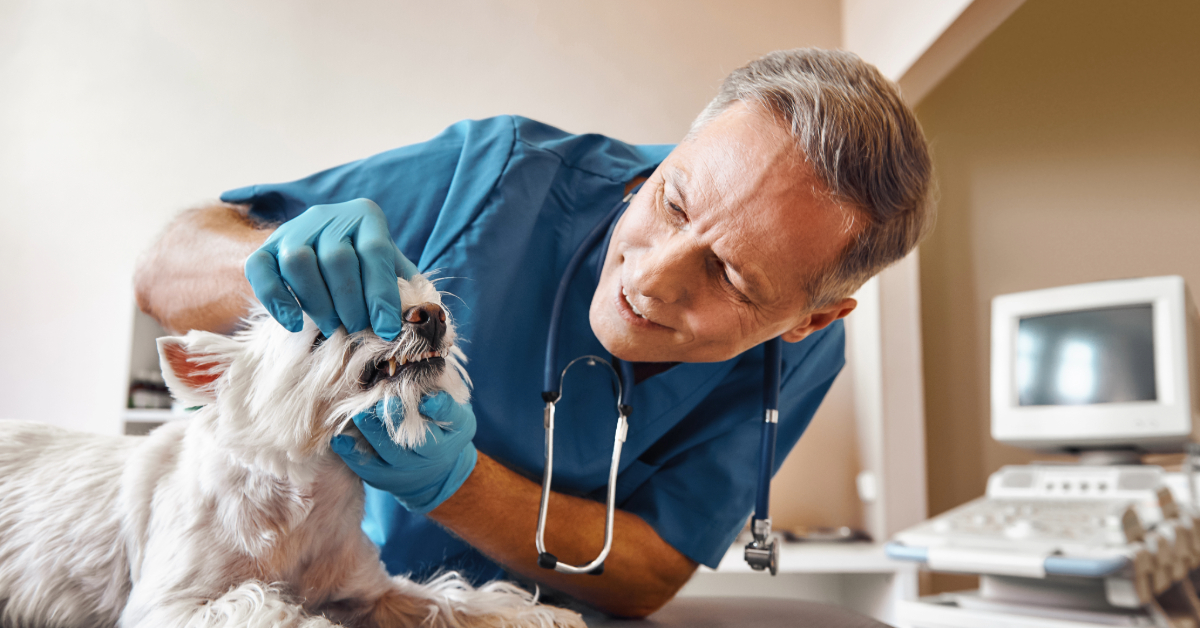
A dog needs a tooth removed when the tooth is fractured, infected, loose, or too damaged to repair, and the most common warning signs are foul breath, drooling, dropped food, and swelling around the face. Because many dogs suffer quietly, a veterinary exam with dental X-rays is the only dependable way to confirm it. At Partners Animal Hospital NoDa in Charlotte, North Carolina, extractions are a routine part of dental care, and they often bring a dog welcome relief after weeks or months of hidden pain. This guide covers the symptoms that suggest a dog needs a tooth removed, how veterinarians decide between saving and extracting a tooth, what recovery looks like, and how dogs cope with fewer teeth. If you suspect your dog needs a tooth removed, here is what to watch for and what to expect.
What Symptoms Can Mean a Dog Needs a Tooth Extraction?
Some signs are impossible to miss, while others are so subtle that they pass for ordinary aging or pickiness.
Changes at the Food Bowl
Mealtime is often where trouble shows first. Dogs in dental pain may chew on one side, drop kibble, swallow food without chewing, or walk away from crunchy treats they once loved. Some suddenly prefer soft food, and others eat more slowly than usual. When a dog needs a tooth removed, a change in eating habits is frequently the first thing owners report.
Physical Clues Around the Mouth
Certain changes are visible if your dog lets you take a peek. Watch for:
- Persistent bad breath that seems sharper than normal
- Drooling, sometimes tinged with blood
- A broken, loose, or discolored tooth
- Red, swollen, or receding gums
- A bump or draining spot on the gum or below the eye
- Swelling along the muzzle or cheek
A gray or purple tooth deserves particular attention, since it may have died.
Behavior Shifts
Pain changes personality. A dog may flinch when you touch the face, paw at the mouth, lose interest in tug games, or grow unusually cranky. Energetic dogs sometimes turn withdrawn, and chew toys that were once favorites may sit untouched in the corner.
Why Only an Exam Settles the Question
Many of these signs overlap with ear infections, sinus trouble, and oral growths. Your veterinarian has to examine the mouth and usually take dental X-rays to determine whether a dog needs a tooth removed, since much of each tooth sits below the gumline. Poking around a sore mouth at home can hurt your dog, so leave the detective work to the exam room.
When Is It Better to Extract a Dog’s Tooth Than Save It?
Veterinarians always weigh saving a tooth against removing it, and the X-rays usually make the call. The goal is a mouth that’s comfortable and free of infection, not a full set of teeth at any cost.
Situations That Often Lead to Extraction
Extraction becomes the best option when a tooth can’t be restored to a healthy, pain-free state. Common examples include:
- Advanced gum disease with heavy bone loss around the root
- A fracture that exposes the sensitive pulp inside the tooth
- A tooth root abscess
- A loose tooth that cannot be stabilized
- Baby teeth that remain after adult teeth arrive
- Teeth damaged by resorption, where the body breaks down the tooth structure
When Saving the Tooth Is Possible
Some fractured teeth can be saved with root canal therapy or a restoration, often performed by a veterinary dental specialist. The tooth’s location, the health of the root, and your dog’s age and overall condition all factor in. Preserving a large chewing tooth may be worthwhile when the root is sound, and your veterinarian can explain whether a referral makes sense. Cost, recovery time, and your dog’s ability to handle repeat anesthesia matter too.
The Case Against Waiting
A painful or infected tooth rarely heals by itself. Bacteria can spread into the surrounding bone and gum, and chronic soreness wears on a dog’s mood and appetite. Delay also tends to complicate the eventual procedure, since a tooth that could have come out simply may end up surrounded by infected bone. When a dog needs a tooth removed, extraction typically ends the source of pain for good. Partners Animal Hospital NoDa reviews the X-rays with you so you can see what your veterinarian sees and understand why a recommendation is being made.
What Happens After a Dog Has a Tooth Removed?
Recovery is usually smoother than owners expect, especially once the painful tooth is gone. Here is how the process generally unfolds.
What Happens During the Procedure
Extractions take place under general anesthesia, with a team member monitoring your dog throughout. Your veterinarian takes X-rays, numbs the area with a local nerve block, and carefully frees the tooth. Teeth with several roots are often divided into sections so each root comes out cleanly. Our team then cleans the socket and closes the gum with dissolvable stitches. Pain relief is part of the plan from the start.
Questions Worth Asking Beforehand
Ask how many teeth may need attention, what anesthesia monitoring includes, how pain will be managed, and what the estimate covers. A clear conversation before the day arrives helps you feel settled when you drop your dog off.
Recovery and Aftercare
Your dog will go home with written instructions covering medications, food texture, and activity, and following them closely supports healing. Many dogs feel better within a few days, and owners often describe a brighter, more playful pet once the sore tooth is out. Puppies, seniors, and small breeds may need slightly different care, so your team will personalize the plan. Your veterinarian may also schedule a recheck to confirm the gums are healing well.
Reasons to Call the Clinic After a Tooth Removal
Contact your veterinary team promptly if you notice:
- Bleeding that doesn’t ease
- Swelling of the face or jaw
- Refusal to eat or drink well past the first day
- Pus or a foul smell from the mouth
- Unusual sleepiness or vomiting
Can Dogs Eat and Play Normally With Missing Teeth?
Yes, most dogs adapt remarkably well. Owners often worry about how their dog will manage, yet dogs rely on their teeth far less than people do.
Adjusting to Life With Fewer Teeth
Dogs use their teeth mainly to tear, grip, and crunch, and they swallow much of their food with minimal chewing. Even after several extractions, most dogs return to regular meals and enjoy their toys again. Some do better with a softer diet or a different kibble size, and your veterinarian can advise what suits your dog.
Helping the Remaining Teeth Stay Healthy
Extraction solves one problem, yet the other teeth still need attention. Regular oral exams, professional cleanings, and daily brushing with pet-safe toothpaste lower the odds that your dog needs a tooth removed again. Very hard chews such as bones, antlers, and hooves can fracture teeth, so ask your veterinarian which options are safer. Our team at Partners Animal Hospital NoDa can build a schedule around your dog’s age, breed, and mouth.
Senior Dogs and Small Breeds
Older dogs and small breeds tend to need extractions more often, because gum disease advances with age and crowded small mouths trap tartar. Routine checkups help catch issues before they reach that stage, when simpler treatment may still be possible.
Talking Through Anesthesia Concerns
Owners of senior dogs often worry about anesthesia. Pre-anesthetic exams and bloodwork help the team tailor the plan, and monitoring continues from start to finish. Discussing your concerns openly with your veterinarian leads to a calmer experience for both of you.
Comfort Is Worth the Hard Decision
Hearing that a tooth has to come out can feel upsetting, yet it is often the kindest step for a dog who has been hurting. If you think your dog needs a tooth removed, trust what you’re seeing at home: the dropped kibble, the turned-away head, the breath that could clear a room. Those clues deserve a real answer. Our team at Partners Animal Hospital NoDa can examine your dog, take X-rays if needed, and explain every option in plain language before anything is decided. Charlotte pet owners are welcome to call us at (704) 275-2109 or book an appointment online for a dental evaluation whenever something seems off. A dog who no longer has to wince at dinnertime gets to be a dog again, and that is a result worth working toward.
Recent Posts
About Us
At Partners Veterinary Group, we believe in energizing our team members through shared values, while helping them create value for our clients and patients. Knowing we can help make pets’ and people’s lives better motivates us to continually strive for excellence and love what we do.
Our team consistently works to build educational, supportive, and cooperative work environments that cater to positive experiences and professional growth. We’re constantly evolving, creating innovative ways to deliver cutting-edge medicine to our patients. We equip our teams with tools to enhance their skills and improve their knowledge.