
Why Are My Dog’s Teeth Turning Brown?
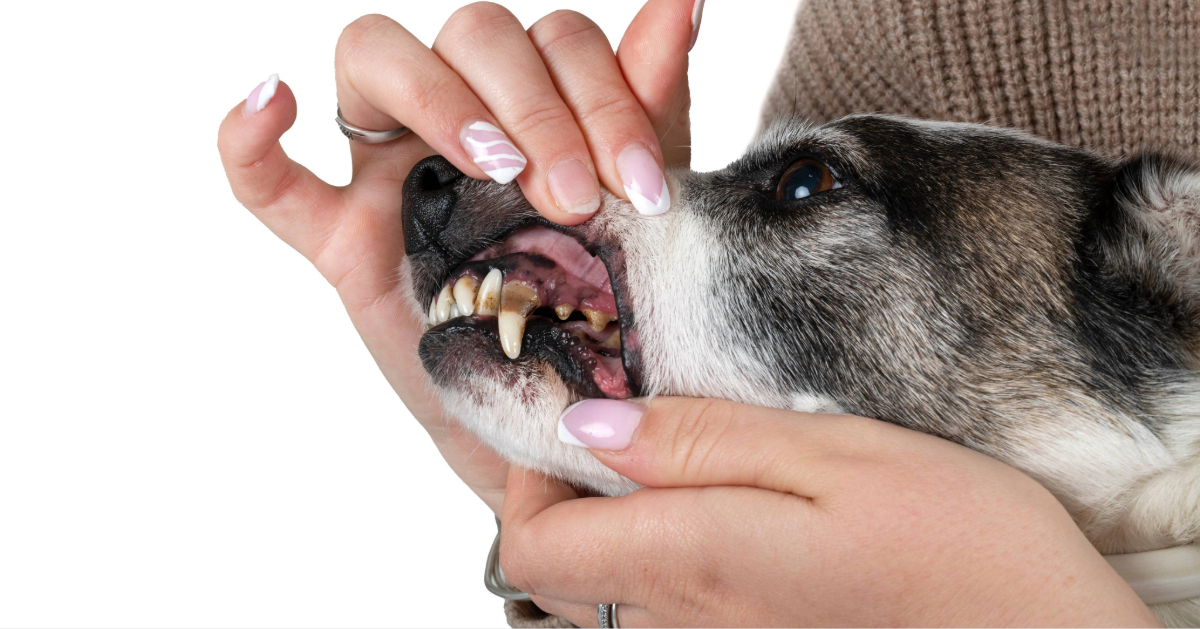
Are your dog’s teeth turning brown? The most common cause is tartar, a hardened layer of plaque that stains as it builds up along the gumline. Less often, a single brown, gray, or purple tooth signals that the tooth itself has been damaged or has died. Either way, a veterinary exam is the only way to know which one you’re seeing. Tartar is a sign of bacteria working at the gums, so it rarely stays cosmetic for long. Many owners first notice the change as a rusty edge along the back teeth or a dark spot that wasn’t there last season, and our veterinary team at Partners Animal Hospital NoDa in Charlotte, North Carolina, hears that story often. The color matters less than where it sits and what lies beneath it, and that’s where the real answers are.
Is Brown Tartar on a Dog’s Teeth a Sign of Dental Disease?
Often, yes. Brown tartar means bacteria have had time to settle in and harden, and that puts the gums at risk. It’s one of the earliest visible hints of trouble.
How Plaque Turns Into Brown Tartar
Plaque is a soft, sticky film that forms on teeth after every meal. Minerals in saliva harden it into tartar within a few days, and food pigments and bacteria give it a yellow, tan, or brown tint. Because the film collects most heavily on the cheek-facing surfaces of the upper back teeth, that’s frequently where owners spot it first.
What Tartar Does to the Gums
Tartar has a rough surface that holds even more bacteria against the gums. The tissue becomes red and swollen, a condition called gingivitis, and left alone it can progress to periodontal disease, which damages the bone and ligaments that anchor teeth. Much of that damage happens below the gumline, so a dog’s teeth turning brown may be the visible tip of a bigger problem.
Signs That Often Travel With Brown Buildup
Watch for these companions to a dog’s teeth turning brown:
- Bad breath that has grown stronger
- Red or bleeding gums along the tooth line
- Dropping food or chewing on one side
- Drooling or pawing at the mouth
- Loose teeth or receding gums
Noticing several of these is a good reason to book an exam instead of waiting for the next routine visit.
What Is the Difference Between Brown Tartar and Tooth Discoloration?
The two can look alike at a glance, but they point to very different problems. One sits on top of the tooth, and the other happens inside it.
Surface Buildup
Tartar is a crust that clings to the outside of the tooth. It usually appears as uneven patches along the gumline, it feels rough, and it often spreads across several teeth at once. Most dogs with heavy tartar also show some gum redness nearby.
Discoloration From Within
True discoloration usually affects one tooth and colors the whole crown, often in shades of pink, gray, purple, or dark brown. It can follow a hard knock, a fracture, or damage to the nerve and blood supply inside the tooth. A tooth that has changed color this way may have died, even when it looks intact and your dog acts normal. Dogs are experts at hiding dental pain, so an unbothered appearance doesn’t rule out a problem.
Why the Difference Matters
Tartar is typically managed with scaling and polishing. A discolored tooth needs dental X-rays so the veterinarian can see the root and decide whether to treat or extract. Stains from certain foods, chews, or medications are also possible, which is another reason an exam beats guessing. Your veterinarian at Partners Animal Hospital NoDa can usually tell the two apart in a single visit, with X-rays to confirm what the surface can’t show.
Can a Professional Dental Cleaning Remove Brown Buildup From a Dog’s Teeth?
Yes, when the brown is tartar, a professional cleaning is the way to remove it. Home products can’t break down tartar once it hardens, so scaling by a trained team is what clears it.
What the Cleaning Involves
The procedure takes place under general anesthesia, with a team member monitoring your dog from start to finish. Our veterinary team scales tartar from above and below the gumline, polishes the teeth to smooth the surface, and takes dental X-rays to check the roots and bone. Anesthesia lets our team work thoroughly and keeps your dog comfortable and still.
What a Cleaning Can’t Fix
A cleaning removes buildup, but it can’t reverse a tooth that has died or repair a fracture. If X-rays show an infected or damaged tooth beneath brown discoloration, your veterinarian will discuss options such as extraction or referral to a dental specialist. Some stains may also fade only partly, depending on the cause.
Keeping Teeth Cleaner Afterward
A fresh start helps, and steady habits keep it that way. Ask your veterinarian about a plan that may include:
- Daily brushing with pet-safe toothpaste
- Dental chews or diets that carry the Veterinary Oral Health Council seal
- Regular oral exams and cleanings on the schedule your vet suggests
Avoid hard items like bones, antlers, and hooves, which can crack teeth. Every dog’s mouth is different, so your veterinary team can tailor the routine to your dog’s age and breed.
When Should You Have Your Dog’s Brown Teeth Checked?
Brown teeth rarely fix themselves, and mild buildup can become a painful problem over time. Earlier attention usually means simpler care.
Schedule a Visit Soon If You Notice
- Brown buildup that is thickening or spreading
- A single tooth that has turned gray, purple, or dark
- Red, swollen, or bleeding gums
- Persistent bad breath or changes in eating habits
Go Urgently If Needed
Facial swelling, a draining bump below the eye, heavy bleeding, or refusal to eat or drink calls for prompt care. If Partners Animal Hospital NoDa is closed, contact the nearest emergency hospital.
What to Bring to the Appointment
Jot down when you first noticed a dog’s teeth turning brown, which teeth are affected, what your dog chews, and any appetite or behavior changes. A clear photo of the teeth can help too. Please skip scraping tartar at home or using human whitening products, since both can injure the gums and tooth surface.
Dark Teeth Are Worth a Second Look
Brown buildup is easy to dismiss as a cosmetic quirk, yet it tells you something about what’s happening in the mouth. A dog’s teeth turning brown rarely improves without help, but many cases respond well once the tartar is cleared and the gums have a chance to heal. Small changes count here: a rougher texture along the gumline, breath that hits harder than it used to, or a tooth that looks different from its neighbors. If any of that sounds familiar, an exam at Partners Animal Hospital NoDa can sort out whether you’re dealing with simple tartar or something deeper. Call us at (704) 275-2109 or book an appointment online to set up a visit, and your dog can get back to crunching, chasing, and showing off a healthier smile.
Recent Posts
About Us
At Partners Veterinary Group, we believe in energizing our team members through shared values, while helping them create value for our clients and patients. Knowing we can help make pets’ and people’s lives better motivates us to continually strive for excellence and love what we do.
Our team consistently works to build educational, supportive, and cooperative work environments that cater to positive experiences and professional growth. We’re constantly evolving, creating innovative ways to deliver cutting-edge medicine to our patients. We equip our teams with tools to enhance their skills and improve their knowledge.