
Why Is My Cat Pawing at Their Mouth?
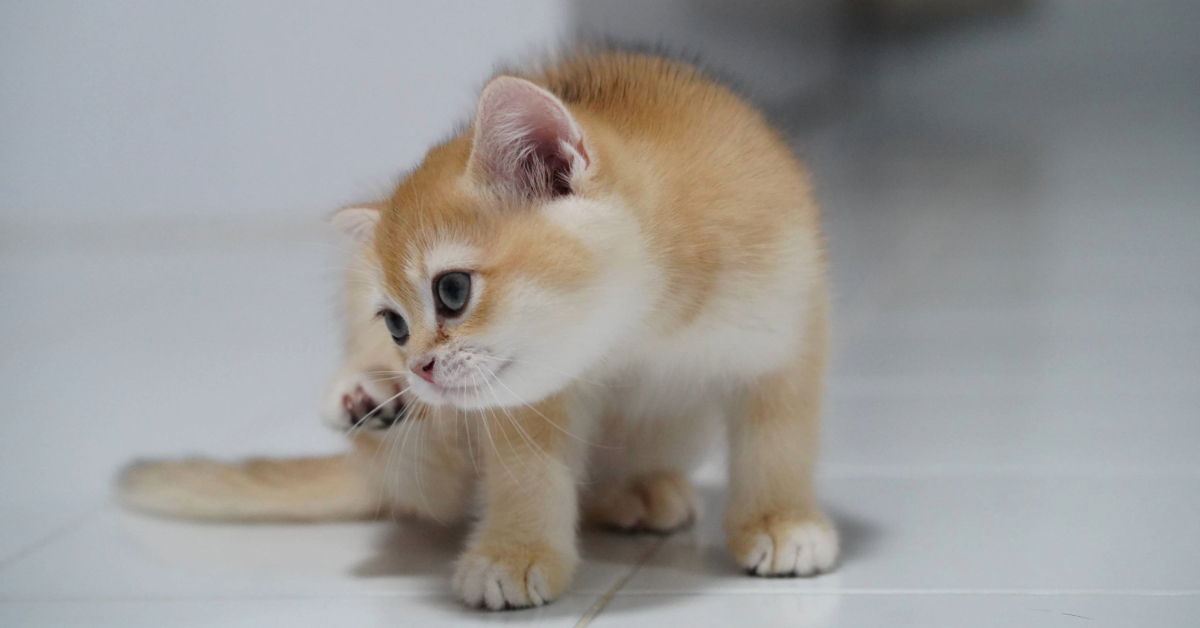
A cat pawing at their mouth is usually signaling discomfort from a sore tooth, irritated gums, or something lodged between the teeth. A veterinary exam is the only way to pin down which. One quick swipe after dinner is ordinary cat housekeeping, but repeated, focused, or frantic pawing is a different matter, especially when it comes with drooling, bad breath, or a sudden distaste for crunchy food. Cats are masters at concealing pain, so this small gesture may be the loudest signal you get. Families at Partners Animal Hospital NoDa in Charlotte, North Carolina, often describe a cat who sat beside the bowl, batted at one cheek, and wandered off hungry. Spotting a cat pawing at their mouth early gives your veterinarian more comfortable options to work with, so the pattern deserves a closer look.
Can Dental Pain Cause a Cat to Paw at Its Mouth?
Yes, dental pain ranks near the top of the list. A sore tooth or swollen gum can’t be explained or soothed by a cat, so many of them try to reach the trouble spot themselves.
Pain Sends Paws to the Face
People rub a throbbing jaw without thinking, and cats do something similar. A cat pawing at their mouth may be trying to ease pressure or brush away an irritation they can’t identify. Because it resembles grooming, owners often shrug it off. The giveaway is repetition: normal grooming follows a rhythm and finishes, while pain-driven pawing returns again and again, fixates on one side, and arrives with other changes.
Feline Dental Problems That Hurt
Cats develop several painful mouth conditions, including some dogs rarely get:
- Gingivitis and periodontal disease caused by plaque and tartar
- Tooth resorption, in which the body slowly dissolves part of a tooth
- Cracked teeth that expose the sensitive tissue inside
- Root abscesses that build pressure and swelling
- Stomatitis, a widespread and intense inflammation of the mouth lining
Resorption is a particular troublemaker because a tooth can look nearly normal while hurting badly. Dental X-rays are often the only way to catch it.
Everyday Changes Alongside the Swiping
Pawing seldom travels alone. If you see a cat pawing at their mouth and also notice that your cat is chewing on one side, leaving kibble behind, drooling onto a favorite blanket, or grooming less than usual, dental pain climbs higher on the suspect list. Breath that smells sharper than before adds weight to that idea. Any of these paired with a cat pawing at their mouth justifies booking a dental evaluation instead of waiting for the next routine checkup.
What Oral Problems Can Cause a Cat to Keep Pawing at Its Face?
Teeth take most of the blame, but the mouth has plenty of other trouble spots. A cat that keeps pawing at its face could be dealing with inflamed tissue, a stuck object, or a growth.
Something Lodged in the Mouth
Cats investigate the world with their mouths, and curiosity sometimes backfires. A strand of yarn, a bone splinter, or a blade of grass can wedge between teeth or across the roof of the mouth. A cat pawing at their mouth suddenly, especially with gagging, head shaking, or drooling, may have picked up something that doesn’t belong there. String and thread are the riskiest, since one end can reach toward the throat. Resist the urge to tug on anything yourself and call your veterinarian instead.
Ulcers and Inflammation
Sores can form on the tongue, gums, or inner cheeks. Viral infections, respiratory illness, and some chronic diseases leave tender patches that make every bite unpleasant. Kidney disease can also cause mouth ulcers in certain cats, which is why your veterinarian may recommend bloodwork rather than looking at the teeth alone.
Lumps and Bumps
Swellings on the gums, beneath the tongue, or along the jaw can rub against surrounding tissue. Many are harmless, but some are tumors that respond best to early detection. Growths often hide at the back of the mouth, so owners rarely spot them at home, and a cat pawing at their mouth may be the only hint.
Exposure to Irritating Substances
Certain houseplants, cleaning products, and medications can burn the mouth or leave it raw. If you think your cat chewed or licked something harmful, call an emergency hospital or an animal poison hotline immediately and keep the product label handy.
Face Pain With a Non-Dental Source
Ear infections, congested sinuses, and facial injuries can push a cat to swipe at the face even when the teeth are healthy. Because these problems overlap, a hands-on exam answers questions that guessing never will.
Which Pawing Situations Are Urgent, and Which Can Wait?
Most cases call for a prompt appointment rather than a dash through the night. A few situations are true emergencies, though, and knowing the difference saves precious time.
Situations That Need a Hospital Right Now
Head to an emergency hospital if a cat pawing at their mouth shows any of these:
- Labored breathing or open-mouth breathing
- A jaw that hangs open or refuses to close
- Bleeding that continues without slowing
- Fast-spreading swelling around the face or muzzle
- Known or suspected contact with a poison or chemical
- Collapse, seizures, or profound weakness
If Partners Animal Hospital NoDa is closed, call the closest emergency hospital and describe what you see. Staff there can tell you how fast to come in.
Pawing You Can Schedule This Week
Pawing that lasts longer than a day, or that appears alongside a shrinking appetite, hiding, or foul breath, belongs on the calendar within a day or two. Cats that skip several meals can run into serious health problems, so don’t assume the habit will fade by itself. Kittens and seniors tend to slip faster, which makes quick attention even more important for them.
Hands Off, For Now
Opening a painful mouth looks simple, yet even a gentle cat may scratch or bite when something hurts. Resist giving any medication from your own cabinet, since many human drugs are dangerous for cats. Home treatments can also blur the picture and slow down a proper diagnosis. Once the cause is known, your veterinary team can suggest relief that’s safe for your cat.
What Does a Cat Mouth Exam Look Like at Partners Animal Hospital NoDa?
A little preparation takes the edge off the visit. Appointments generally move from your story, to a physical look, to imaging, with each stage ruling things out.
Bring Notes and a Video
Your observations carry more weight than you might think. Jot down when the pawing began, whether it peaks around mealtime, and what your cat has been chewing lately. Cats often behave perfectly normally once they reach the clinic, so a short phone video of the pawing can fill in what the exam room misses.
Looking Inside and Below the Gums
Your veterinarian inspects the teeth, gums, tongue, throat, and jaw, and may feel along the face and neck for swelling. Since most of each tooth hides beneath the gumline, dental X-rays often come next. Cats rarely hold still for a detailed look at a painful mouth, so sedation or general anesthesia is common, and trained staff track heart rate and oxygen levels while your cat is under.
Matching the Fix to the Finding
The treatment plan, costs, and timeline get explained once the cause is clear. A lodged object may come out quickly. Gum disease often leads to a professional cleaning, while a cracked or resorbing tooth may need to be removed. Once the source of pain is gone, many cats return to eating eagerly and grooming with their usual care. Your veterinarian can also advise how often your cat should have an oral exam going forward.
Your Cat’s Paw Is Pointing at Something
Cats seldom complain, which makes small gestures worth reading closely. A cat pawing at their mouth might be dealing with a scrap of food wedged between teeth, or with a problem that has been smoldering for months. Notice how often it happens, whether mealtimes have changed, and whether the breath or the drool has shifted, then bring those details to the veterinarians at Partners Animal Hospital NoDa. Dental trouble is common in cats and often very treatable, particularly when it’s caught early. If the swiping has lasted beyond a day or keeps coming back, call us at (704) 275-2109 or book an appointment online and let a professional look at what your cat has been trying to reach.
Recent Posts
About Us
At Partners Veterinary Group, we believe in energizing our team members through shared values, while helping them create value for our clients and patients. Knowing we can help make pets’ and people’s lives better motivates us to continually strive for excellence and love what we do.
Our team consistently works to build educational, supportive, and cooperative work environments that cater to positive experiences and professional growth. We’re constantly evolving, creating innovative ways to deliver cutting-edge medicine to our patients. We equip our teams with tools to enhance their skills and improve their knowledge.