
Dental Care Tips for Cats and Dogs
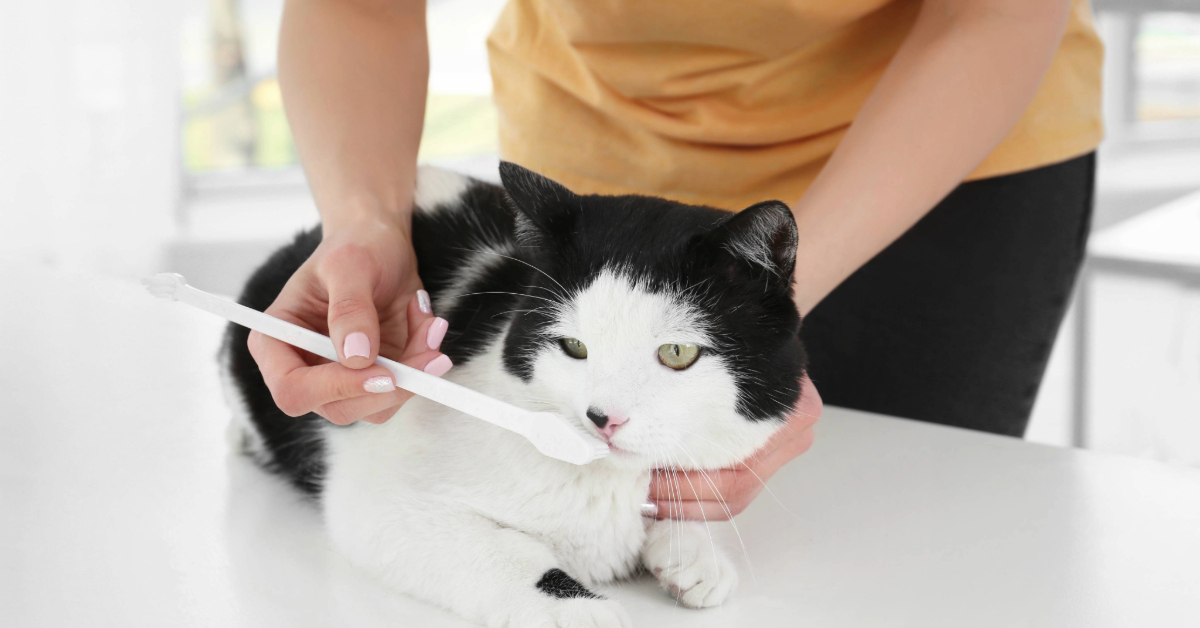
The most effective dental care tips for cats and dogs come down to three habits: brush every day with pet-safe toothpaste, keep up with regular mouth exams, and schedule a professional cleaning when your veterinarian says it’s time. Dental disease is among the most common conditions veterinarians treat in adult pets, and it tends to develop without any drama. A cat with a sore molar still leaps onto the couch. A dog with inflamed gums still greets you at the door. That quiet progression is why our team at Partners Animal Hospital NoDa in Charlotte, North Carolina, stresses routine over rescue. Small actions repeated on ordinary days protect teeth far better than one big effort after trouble appears. Whether you share your home with a new puppy, a middle-aged cat, or a gray-muzzled retriever, a mouth-care routine fits into daily life more easily than most people expect.
How Does Plaque Turn Into Tartar and Dental Disease in Pets?
Plaque turns into tartar on a predictable schedule, and the clock restarts after every meal.
The First 48 Hours: From Film to Crust
Within hours of eating, a thin layer of bacteria settles onto the teeth. Minerals in saliva can start cementing that layer into a hard, chalky deposit within a couple of days. After that point, a toothbrush slides right over it, and only professional scaling can lift it off.
Weeks Later: The Gums Push Back
Hardened deposits give bacteria a rough anchor along the gumline. The gums react by swelling, turning red, and sometimes bleeding when touched. This early stage, called gingivitis, can often be reversed with a thorough cleaning and steady home care, which makes it the best window for action.
Months and Years: Damage Out of Sight
If the cycle continues, infection creeps into the pocket between tooth and gum and begins dissolving the bone that anchors the tooth. Pets can lose teeth this way, and X-rays often show far more damage than the visible surface suggests. Because this stage unfolds below the gumline, many owners notice only one thing: worsening breath.
What Owners Tend to Notice
Watch for these changes in a dog or cat:
- Breath that turns sour or rotten
- Crusty tan deposits near the gumline
- Gums that look puffy, bright red, or bleed
- A sudden preference for soft food over crunchy
- Face rubbing or reluctance to open wide
Any of these is worth a veterinary visit, since only an exam can separate simple tartar from a cracked tooth or another problem.
How Often Should You Brush Your Dog’s or Cat’s Teeth?
Once a day is ideal. Daily brushing disrupts plaque before it hardens, and even three or four sessions a week deliver a real benefit. Brushing only now and then does very little, because the clock on tartar never really pauses.
Start With a Fingertip, Not a Brush
Most pets accept brushing when it’s introduced gradually. Let your pet lick a bit of toothpaste off your finger for a few days. Once that feels routine, slide the finger along the outer gums for a few seconds. Bring in a soft brush or finger brush only when your pet stays relaxed. Keep each session short, end with praise or a small treat, and never force it. A pet who dreads the routine will fight it for years.
What Goes in the Shopping Basket
A few simple supplies make brushing smoother:
- Toothpaste made for pets, often in poultry or fish flavors
- A soft brush or finger brush that fits your pet’s mouth
- A small reward for afterward
- A towel for wiggly pets
Skip anything made for people, including products with fluoride or xylitol, because these can be harmful when swallowed.
Dogs and Cats Bring Different Attitudes
Many dogs take to brushing quickly once they love the flavor. Cats usually need more patience, shorter sessions, and a taste they actually like. Focus on the outer surfaces of the upper teeth, where tartar gathers most. Small breeds and flat-faced pets often have crowded teeth that deserve extra attention, and your veterinary team can show you a technique suited to your pet’s size and temperament.
Which Dental Care Tips for Cats and Dogs Fit Into a Busy Week?
The best plan is the one you will actually follow. A routine that takes two minutes a day beats an ambitious schedule that falls apart by Thursday.
A Simple Weekly Rhythm
Many households do well with a pattern like this:
- Daily: a quick brush at the same time each evening
- Weekly: a glance at the gums and teeth while your pet relaxes
- Monthly: a check that toothpaste and brushes are still in good shape
- Yearly or as advised: a veterinary oral exam
Pairing brushing with something you already do, such as the last walk of the day, helps it stick.
Start Early With Puppies and Kittens
Young pets learn fast. Touching the lips, cheeks, and gums while they are small teaches them that mouth handling is normal and rewarding. Adult teeth arrive at about six months, and a pet who has grown up with gentle mouth care will usually tolerate a toothbrush with little fuss. Older pets can learn too, although the process takes more time.
Who Does What: Home Care and Clinic Care
Home care and clinic care have different jobs. Brushing at home handles fresh plaque before it hardens. Our team at Partners Animal Hospital NoDa handles everything home care can’t reach: hardened tartar, deposits under the gumline, and problems that only X-rays reveal. Diets, water additives, and chews can play supporting roles, and products carrying the Veterinary Oral Health Council seal have passed testing for plaque or tartar control. Ask your veterinarian before adding anything new, since what suits one pet may not suit another.
When Does a Pet Need a Professional Dental Cleaning?
A pet needs a professional cleaning when an exam shows tartar brushing can’t remove, inflamed gums, or disease found on X-rays. Among the dental care tips for cats and dogs, this one depends most on your veterinarian’s judgment, because no two mouths age at the same pace.
Your Veterinarian Sets the Schedule, Not the Calendar
Some small dogs need cleanings earlier and more often, while a cat with a tidy mouth may go longer between visits. Breed, age, genetics, and home care all influence the timing. Regular oral exams let the veterinary team track changes over time and recommend an interval based on what they find rather than a generic rule.
What Anesthesia Makes Possible
Cleanings take place under general anesthesia so the team can scale below the gumline, polish, and take dental X-rays without causing stress or pain. A protected airway keeps water and debris out of the lungs, and a team member monitors vital signs until your pet wakes. Cosmetic scraping without anesthesia may brighten the visible teeth, but it leaves disease beneath the gums untouched.
Earlier Cleanings, Easier Decisions
Mild buildup is simpler to treat than advanced disease, and the conversation with your veterinarian is usually simpler too. Waiting until a tooth is loose or infected can turn a routine cleaning into a procedure involving extractions. Our team at Partners Animal Hospital NoDa can review your pet’s mouth, suggest a cleaning interval, and tell you whether home care is holding the line.
Start Tonight With One Tooth
Healthy mouths come from ordinary evenings, not heroic efforts. Pick a time this week, put a dab of pet toothpaste on your finger, and let your pet sample it. That single step opens the door to every other habit on this list. Dental care tips for cats and dogs only work once they become routine, so aim for small and repeatable over perfect. If you’re unsure where your pet’s teeth stand today, call us at (704) 275-2109 or book an appointment online at Partners Animal Hospital NoDa and use the visit to ask about brushing technique, product choices, and cleaning timing. A pet who can crunch, chew, and purr without discomfort is worth the two minutes.
Recent Posts
About Us
At Partners Veterinary Group, we believe in energizing our team members through shared values, while helping them create value for our clients and patients. Knowing we can help make pets’ and people’s lives better motivates us to continually strive for excellence and love what we do.
Our team consistently works to build educational, supportive, and cooperative work environments that cater to positive experiences and professional growth. We’re constantly evolving, creating innovative ways to deliver cutting-edge medicine to our patients. We equip our teams with tools to enhance their skills and improve their knowledge.