My Dog Won’t Chew on One Side of Their Mouth: What Does It Mean?
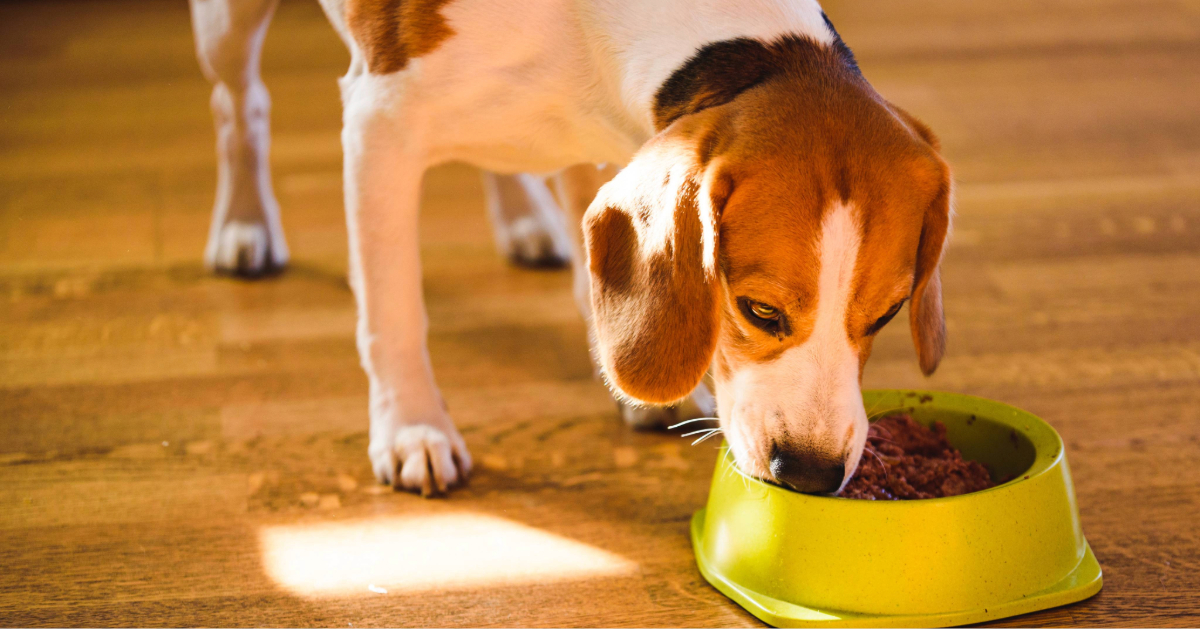
When a dog won’t chew on one side of their mouth, it usually means something hurts. Dental disease, a cracked tooth, an abscess, or an injury inside the mouth are the most common culprits, and each one deserves a professional exam. Dogs instinctively hide discomfort, so a change in how your pup handles kibble or a favorite chew toy is often the first clue you’ll get. At Partners Animal Hospital NoDa in Charlotte, North Carolina, our team sees this scenario often, and pet owners are usually relieved to learn that a clear cause can be found and treated. This blog explains what one-sided chewing can signal, which signs point to a broken or infected tooth, when to schedule a visit, and what happens during a dental exam. If your dog won’t chew on one side of their mouth, here is what to know.
Why Does My Dog Avoid Chewing on One Side of Their Mouth?
Dogs change how they chew for a reason, and pain tops the list. When a dog won’t chew on one side of their mouth, the problem typically sits in the teeth, gums, jaw, or soft tissues on that side.
Common Dental Causes
Tooth problems lead the pack. Periodontal disease, fractured teeth, tooth root abscesses, and damaged or retained baby teeth all make chewing uncomfortable. Large breeds that gnaw on hard bones, antlers, or nylon toys often crack a tooth without anyone noticing. Small breeds tend to build up tartar quickly, which can lead to gum infection and loose teeth.
Non-Dental Causes
Not every case starts with a tooth. A dog won’t chew on one side of their mouth when a stick fragment lodges between teeth, when a growth forms on the gums, or when an injury affects the jaw joint. Oral tumors, though less common, also show up as a change in chewing habits. Ear infections and sinus trouble sometimes cause facial discomfort that mimics dental pain, which is one reason a hands-on exam matters.
Why Dogs Hide It
Wild ancestors survived by masking weakness, and pet dogs inherit that instinct. Even when a dog won’t chew on one side of their mouth, many still eat, but they quietly shift food to the pain-free side, drop kibble, or tilt their head while crunching. Many owners describe it as “my dog is eating weird” before they connect it to the mouth. Spotting that shift early gives your veterinarian a head start on finding the cause. Only a veterinarian can tell which of these explanations applies, because the signs overlap so much.
When Should You Take Your Dog to the Vet for One-Sided Chewing?
Sooner is better than later, because mouth pain rarely resolves on its own. If your dog won’t chew on one side of their mouth for more than a day or two, book an appointment with your veterinarian.
Signs That Call for a Prompt Visit
Call your vet promptly if one-sided chewing comes with any of these:
- Swelling on the face, jaw, or under the eye
- Bleeding from the mouth or blood-tinged saliva
- Refusing food or water altogether
- Pawing at the face or rubbing the muzzle on furniture
- Foul breath that seems worse than usual
- Lethargy, hiding, or a sudden change in mood
When to Go to an Emergency Vet
Facial swelling that grows quickly, heavy bleeding, trouble breathing, or an inability to close the mouth warrants urgent care. Puppies and senior dogs can decline faster when they stop eating, so don’t wait with them either. If it’s after hours, call the nearest emergency hospital for guidance.
Why Waiting Makes It Harder
A cracked tooth can let bacteria reach the root, which can lead to an abscess. Early exams often mean simpler treatment and a more comfortable recovery. Dental pain also tends to grow over time. A dog that skips one crunchy treat this week may avoid all hard food next week, and a tooth that seems mildly sensitive can turn into an infected one. Senior dogs in particular often have several dental issues at once, so a single noticed symptom may point to more than one problem. A prompt visit gives your veterinarian the chance to look at the whole mouth rather than just the one side you noticed. When a dog won’t chew on one side of their mouth, a quick check is almost always worth it. Our team at Partners Animal Hospital NoDa can evaluate your dog and explain the options.
How Can You Tell If Your Dog Has a Broken or Infected Tooth?
Some clues show up at home, while others only appear during an exam. A broken or infected tooth is a leading reason a dog won’t chew on one side of their mouth, though only a veterinarian can confirm it.
What You Might Notice at Home
Broken or infected teeth tend to produce a recognizable pattern:
- A visible chip, crack, or a tooth that looks darker than its neighbors
- A small bump or draining spot on the gums or below the eye
- Heavier drooling than usual, especially on one side
- Dropping food or chewing with the head tilted
- Flinching when someone touches the face
What Your Veterinarian Looks For
During an exam, your veterinarian checks every tooth, the gumline, and the surrounding tissue. Dental X-rays often come next, since much of a tooth sits below the gums. Imaging reveals root infections, fractures, and bone loss that no one can see from the surface. A dog won’t chew on one side of their mouth for many reasons, and X-rays help narrow down which one applies.
Cracks You Can’t See
Not every fracture is obvious. Hairline cracks and fractures near the root can hide below the gumline, and some teeth look normal until X-rays or a closer exam show the damage. A discolored tooth, for example, may signal that the tooth has died, even when it appears intact. Because dogs rarely show pain openly, these hidden problems can linger for months before anyone notices a change at the food bowl.
Why Infected Teeth Matter
A tooth root abscess is a pocket of infection that can cause pain and swelling, and in some cases it spreads to surrounding bone or tissue. Treatment depends on the findings and may include extraction or other dental procedures. Your veterinarian will discuss what makes sense for your dog’s age, size, and overall health.
What Happens at a Dental Exam for Dogs?
A dental visit follows a clear process, and knowing it ahead of time can ease your nerves. Whether your dog won’t chew on one side of their mouth or simply seems picky lately, our team at Partners Animal Hospital NoDa starts with a conversation about what you’ve seen, then moves to a physical exam.
Helpful Details to Share
Specifics help your veterinarian narrow down the cause quickly. Jot down notes on:
- When you first noticed the chewing change
- Which side of the mouth seems affected
- Bones, chews, or toys your dog has had recently
- Any shifts in appetite, energy, or behavior
The Exam and Next Steps
Your veterinarian examines the mouth, face, and jaw, and may recommend dental X-rays to see beneath the gumline. Because a thorough look often requires a calm, still patient, many dental evaluations and treatments take place under anesthesia. Your veterinarian will explain the plan, the costs, and the recovery timeline before anything begins. Sometimes the answer is straightforward, such as removing a lodged object, and sometimes it calls for a more involved procedure.
Why Regular Dental Care Matters
Regular dental checkups catch problems early, often before pain changes your dog’s eating habits. Professional cleanings remove tartar that brushing alone can’t reach, and your veterinarian can suggest a dental care plan that suits your dog’s age and breed. Routine exams also give the team a baseline to compare against if your dog’s chewing habits change later. Dogs of every age benefit, from puppies learning to chew to seniors whose teeth have seen years of wear. A yearly look at the mouth also gives you a chance to ask questions.
Your Dog’s Comfort Starts With a Closer Look
Watching your dog struggle at mealtime is hard, and it’s natural to want answers fast. If your dog won’t chew on one side of their mouth, trust your instinct that something is off. Dogs rarely change their eating habits without a reason, and dental pain ranks among the most common explanations. The earlier your veterinarian takes a look, the more options your dog typically has. Partners Animal Hospital NoDa welcomes dogs from across Charlotte, and the team is ready to examine your dog’s mouth, talk through what they find, and map out a comfortable path forward. Call us at (704) 275-2109 or book an appointment online if your dog has favored one side of their mouth for more than a day or two. A short appointment today can spare your best friend weeks of discomfort and bring the joy back to chew time.
Recent Posts
About Us
At Partners Veterinary Group, we believe in energizing our team members through shared values, while helping them create value for our clients and patients. Knowing we can help make pets’ and people’s lives better motivates us to continually strive for excellence and love what we do.
Our team consistently works to build educational, supportive, and cooperative work environments that cater to positive experiences and professional growth. We’re constantly evolving, creating innovative ways to deliver cutting-edge medicine to our patients. We equip our teams with tools to enhance their skills and improve their knowledge.