
Why Is My Dog Scooting?
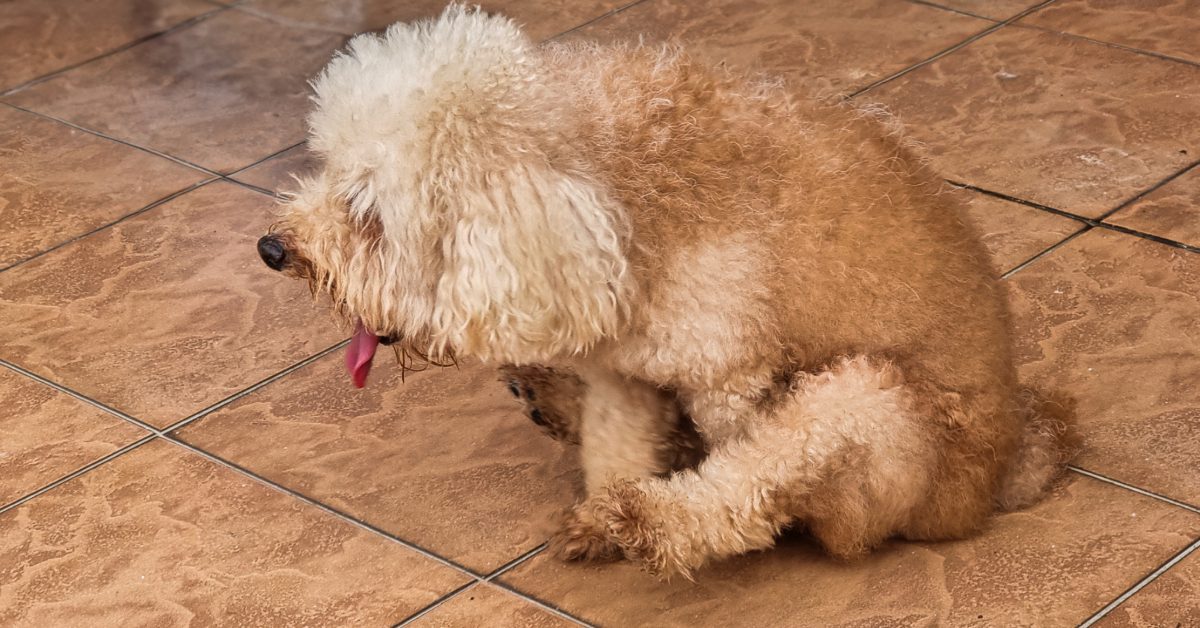
If you’ve ever watched your dog drag their backside across the floor, you’ve witnessed one of the more puzzling and honestly, kind of funny behaviors a pet can exhibit. But dog scooting is more than just an odd quirk. It’s usually a signal that something is bothering your dog in the rear end area, and it’s worth paying attention to. So why do dogs scoot? Most of the time, dog scooting happens because your dog is experiencing itching, irritation, or discomfort around the anal region. Keep reading to find out what’s causing the scooting and when it’s time to call your vet.
What Does It Mean When a Dog Scoots?
When a dog scoots, they’re dragging their bottom along the ground in an attempt to relieve discomfort. Dogs can’t scratch that area the way humans can, so scooting is their way of addressing itching or pressure in the anal region. It might look amusing, but a dog that keeps scooting is telling you something is wrong.
Occasional scooting after a bowel movement isn’t necessarily cause for alarm. But if your dog is scooting repeatedly throughout the day, or if you notice redness, swelling, or discharge in the area, that’s a clear sign your pup needs a veterinary evaluation.
Common Reasons Dogs Scoot
There’s no single cause behind dog scooting. Several conditions can lead to this behavior, and some are more common than others. Below are the most frequent culprits our team at Partners Animal Hospital NoDa sees in Charlotte area dogs.
Anal Gland Problems
By far, the most common reason dogs scoot is anal gland issues. Dogs have two small glands located on either side of the anus that naturally express during bowel movements. When these glands don’t empty properly, they can become impacted, inflamed, or infected causing significant discomfort.
A dog with full or impacted anal glands will often scoot, lick or bite at their tail base, or show signs of discomfort when sitting. Anal gland problems are one of the most common reasons dog owners search ‘dog scooting’ online, and they require professional attention to resolve safely.
Intestinal Parasites
Worms, particularly tapeworms, are another common reason dogs scoot. If your dog has tapeworms, you may notice small, rice-like segments around their anus or in their stool. The irritation caused by these parasites can trigger scooting behavior.
Regular parasite prevention and fecal screenings at your annual wellness visit with Partners Animal Hospital NoDa are the best way to stay ahead of intestinal parasites.
Allergies and Skin Irritation
Dogs with environmental or food allergies often experience skin irritation that extends to the perianal area. If your dog is scooting and also scratching frequently, chewing their paws, or developing recurring ear infections, allergies may be the underlying issue driving the scooting behavior.
Fecal Contamination or Matting
Sometimes, the reason a dog scoots is simpler: fecal material stuck in the fur around the anus. This is especially common in long-haired breeds. Regular grooming and keeping the area clean can reduce this type of scooting.
Signs to Watch for Alongside Dog Scooting
Scooting on its own can be a one-off event. But when it’s paired with other symptoms, it becomes more significant. The following are signs that warrant a call to Partners Animal Hospital NoDa:
- Redness, swelling, or discharge around the anus
- A foul odor coming from your dog’s rear end
- Your dog constantly licking or biting at the base of their tail
- Visible worm segments in your dog’s stool or around their rear
- Scooting that happens multiple times a day or persists for more than a day or two
How Do Vets Diagnose Why a Dog Is Scooting?
When you bring your scooting dog to Partners Animal Hospital NoDa, your veterinarian will begin with a physical examination, which includes a rectal exam to assess the anal glands. We’ll check for impaction, infection, or inflammation. Depending on what they find, they may also recommend a fecal test to rule out intestinal parasites, or a skin and allergy workup if allergies appear to be a factor.
Don’t try to express anal glands at home without veterinary guidance. Doing it incorrectly can cause injury or worsen an infection. This is a procedure best handled by trained professionals.
Why Is My Dog Scooting After Grooming?
A dog scooting after grooming is fairly common. Groomers sometimes clip the hair very close to the anal area, which can cause temporary skin irritation. Additionally, if the groomer expressed the anal glands during the session, some residual discomfort is normal for a day or two. If scooting continues for more than 48 hours after grooming, or if the area looks irritated, it’s a good idea to have our team at Partners Animal Hospital NoDa take a look.
Why Is My Dog Scooting But the Anal Glands Are Fine?
If your vet has already checked the anal glands and cleared them, but your dog is still scooting, don’t give up on getting answers. Other causes of dog scooting like allergies, parasites, or perianal dermatitis can still be at play. A thorough diagnostic workup will help identify the root cause and guide appropriate treatment.
What to Expect at a Veterinary Visit for Dog Scooting
When you come in to Partners Animal Hospital NoDa for a scooting concern, your vet will:
- Perform a full physical exam including anal gland assessment
- Review your dog’s diet, grooming routine, and parasite prevention history
- Recommend diagnostics such as fecal testing or allergy testing if needed
- Discuss a treatment plan based on the diagnosis
The goal is always to get to the underlying cause, not just address the symptom. Dog scooting is rarely a serious emergency, but it does deserve prompt attention to keep your dog comfortable and healthy.
Your Dog Is Trying to Tell You Something
Dog scooting might get a chuckle, but your pup is communicating genuine discomfort. Whether the cause is anal gland issues, parasites, allergies, or simple irritation, our team at Partners Animal Hospital NoDa in Charlotte, North Carolina is here to help get to the bottom of it, literally.
If your dog is scooting repeatedly or showing any of the accompanying symptoms mentioned above, give us a call at (704) 275-2109 or book an appointment online. Getting your dog checked out sooner rather than later means less discomfort for them and peace of mind for you.
Recent Posts
About Us
At Partners Veterinary Group, we believe in energizing our team members through shared values, while helping them create value for our clients and patients. Knowing we can help make pets’ and people’s lives better motivates us to continually strive for excellence and love what we do.
Our team consistently works to build educational, supportive, and cooperative work environments that cater to positive experiences and professional growth. We’re constantly evolving, creating innovative ways to deliver cutting-edge medicine to our patients. We equip our teams with tools to enhance their skills and improve their knowledge.