
Uncategorized
My Dog Won’t Chew on One Side of Their Mouth: What Does It Mean?

When a dog won’t chew on one side of their mouth, it usually means something hurts. Dental disease, a cracked tooth, an abscess, or an injury inside the mouth are the most common culprits, and each one deserves a professional exam. Dogs instinctively hide discomfort, so a change in how your pup handles kibble or…
Read MoreWhy Is My Dog Scooting?
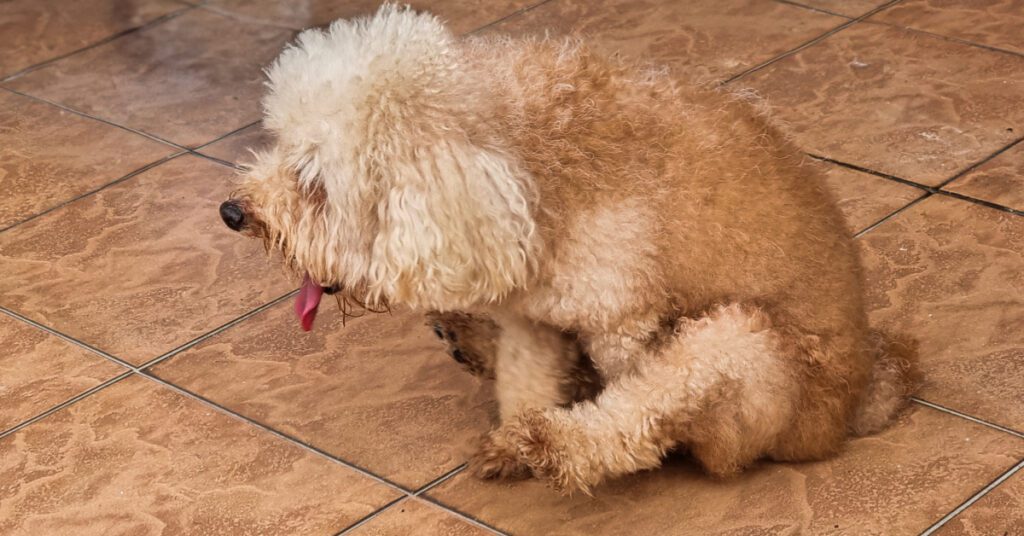
If you’ve ever watched your dog drag their backside across the floor, you’ve witnessed one of the more puzzling and honestly, kind of funny behaviors a pet can exhibit. But dog scooting is more than just an odd quirk. It’s usually a signal that something is bothering your dog in the rear end area, and…
Read MoreWhy Is My Dog Drinking Lots of Water?

You’ve noticed it. Your dog’s water bowl seems to empty faster than usual, and they’re heading outside to urinate more frequently than normal. A dog drinking lots of water is one of the most common concerns that prompts pet owners to call their veterinarian and for good reason. Increased thirst in dogs, known medically as…
Read MoreWhy Is My Dog Licking Their Paws Constantly?

A dog licking paws occasionally is completely normal, as it’s part of their grooming routine. But when paw licking becomes constant or obsessive, it’s a sign your dog is dealing with something more than just personal hygiene. If your dog is licking their paws repeatedly, chewing between the toes, or staining their fur reddish-brown from…
Read MoreDo Dogs Need Vitamin D?

You’ve probably heard about the importance of vitamin D for human health, but have you ever wondered whether your dog needs it too? The answer is yes, vitamin D is essential for dogs. Unlike humans, who can produce vitamin D through sun exposure, dogs rely almost entirely on their diet to meet their vitamin D…
Read MoreDo Dogs Get Dementia?

If your older dog has started staring at walls, wandering aimlessly at night, or forgetting their way around the house, you’re right to wonder whether something neurological is going on. Dogs do get dementia. It’s called canine cognitive dysfunction (CCD), and it’s more common than many pet owners realize. Dog dementia shares a surprising number…
Read MoreCan Dogs Eat Cat Food?

If you have both a dog and a cat at home, you’ve probably caught your dog sneaking bites from the cat’s bowl at least once. So, can dogs eat cat food? Cat food is not toxic to dogs, but it’s also not appropriate for regular consumption. Dogs that eat cat food regularly can develop health…
Read MoreToxic Mushrooms and Acorns: Fall Hazards That Send Pets to the Vet

Autumn brings vibrant leaves and crunchy acorns—but also hidden dangers for curious pets. Both wild mushrooms and acorns can be toxic if ingested. Mushroom Toxicity Many wild mushrooms contain toxins that can harm your pet’s liver, kidneys, or nervous system. Signs of mushroom poisoning include: Because it’s impossible to tell which mushrooms are safe, prevention…
Read MoreCommon Pet Diseases That Can Be Prevented by Regular Vet Visits
Routine veterinary care isn’t just for vaccinations—it’s a critical part of preventing serious illnesses in dogs and cats. Regular exams help catch problems early, keep pets healthy, and can even extend their lives. Preventable Diseases Some of the most common diseases detected and prevented through regular vet visits include: Why Routine Exams Matter Keep Your…
Read MorePet Allergies 101: Food vs Environmental Triggers Explained
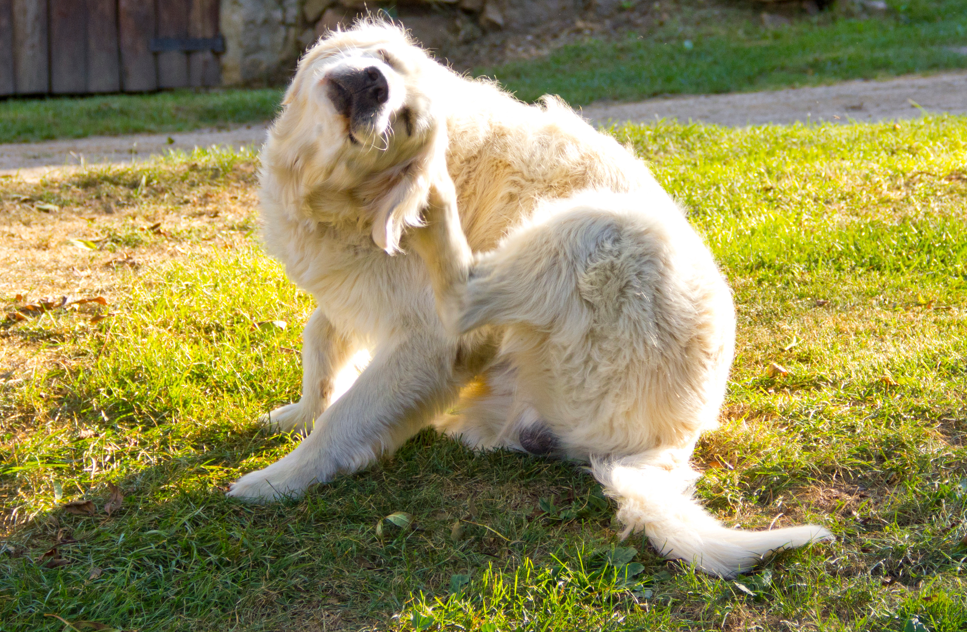
Allergies in pets can cause itching, ear infections, digestive upset, and chronic discomfort. Understanding the difference between food and environmental allergies is the first step toward effective management. Environmental Allergies Environmental allergens include: Symptoms often include: Food Allergies Food allergies occur when a pet’s immune system reacts to a protein in their diet. Common culprits…
Read More