
Why Does My Dog Cry When Chewing?
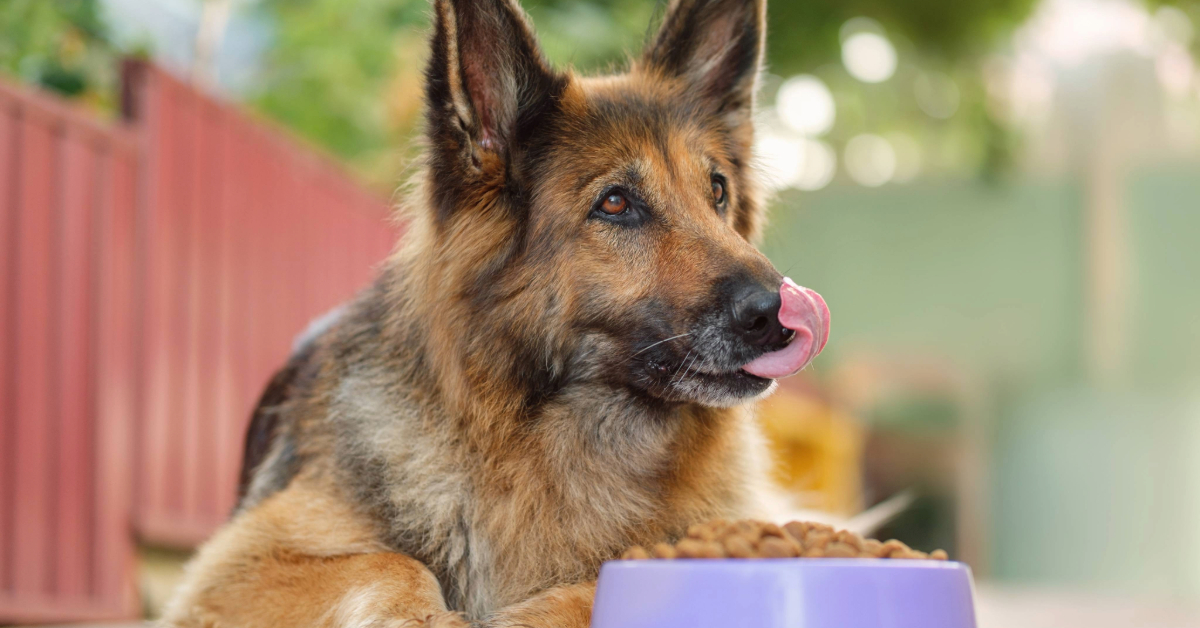
If you hear your dog cry when chewing, something in the mouth almost certainly hurts. A cracked tooth, an infected tooth root, inflamed gums, a sore jaw joint, or an object caught between the teeth are the usual suspects, and only a veterinary exam can tell them apart. Most dogs show mouth pain quietly, by dropping kibble or favoring one side, so a yelp at mealtime is a louder alarm than it may seem. Many owners at Partners Animal Hospital NoDa in Charlotte, North Carolina, describe the same moment: a happy dog lunges at a favorite bone, yelps, and backs away. That reaction isn’t stubbornness or drama. It’s a dog who wants to eat and can’t do it comfortably.
What Makes a Dog Cry When Chewing?
Pain is the answer in nearly every case, and the source is usually close to the mouth. Teeth top the list, but they aren’t the only possibility.
Trouble Inside the Mouth
Several oral conditions can turn a crunchy bite into a painful one:
- Fractured or cracked teeth
- Tooth root abscesses
- Gum disease with swollen, tender tissue
- Retained baby teeth that crowd adult teeth
- Sores, ulcers, or growths on the gums, tongue, or cheeks
- A stick, bone fragment, or bit of toy wedged in place
Causes Beyond the Teeth
Sometimes the teeth are fine. Jaw joint injuries, muscle inflammation around the face, ear infections, and sinus problems can all make biting uncomfortable. A dog may also cry when opening wide to grab a toy or yawn, which points toward the jaw rather than a single tooth. Because these conditions overlap, a hands-on exam gives far better answers than a guess at home.
Why Crying Is a Serious Signal
Dogs descend from animals that survived by hiding weakness, so most of them endure a lot before they vocalize. By the time a dog cries when chewing becomes obvious, the discomfort has often been building for weeks. A yelp is not a quirk to wait out. It’s a sign that the pain has crossed a threshold your dog can no longer hide.
Could a Broken or Infected Tooth Cause a Dog to Cry While Eating?
Yes, and it’s one of the most common explanations. Teeth are packed with nerves, so damage that reaches the inner layers can hurt sharply with every bite.
How a Fracture Causes Pain
Dogs love hard chews, and antlers, bones, hooves, and dense nylon toys are frequent causes of cracked teeth. When a fracture exposes the pulp inside the tooth, biting pressure sends pain straight to the nerve. Some fractures are obvious, while others sit below the gumline and look like a normal tooth from the outside.
How Infection Builds
Bacteria can travel into a cracked tooth and settle at the root, forming an abscess. The pocket of infection creates pressure and swelling that intensify when your dog bites down. An abscess can also spread into nearby bone or tissue, which is one reason delaying an exam rarely helps. A dog who seems fine between meals may still cry when chewing because mealtime is when the pressure peaks.
Clues You Might Notice at Home
Owners often spot a few companions to the crying:
- Dropped food or chewing with the head tilted
- Swelling on the face or below the eye
- Bad breath that has grown much stronger
- Drooling, sometimes tinged with blood
- A tooth that looks darker than its neighbors
- Pulling away when someone touches the muzzle
Seeing any of these along with a dog cry when chewing makes a dental problem even more likely, though X-rays are needed to confirm what is happening.
What Should You Do If Your Dog Suddenly Seems Painful While Chewing?
Stay calm, stop the chewing, and call your veterinarian. A sudden change deserves a prompt appointment, and a few simple choices in the meantime protect your dog.
Take the Chew Away
Remove the bone, toy, or treat that triggered the reaction, and hold off on hard food until your dog has been seen. Soft meals are fine for the short term if your dog is willing to eat. Offering more crunchy items to “test” the problem only adds to the pain.
What Not to Do
Resist the urge to dig around in a sore mouth. Even the gentlest dog may snap when a painful tooth is touched, and probing can make things worse. Never give human pain relievers such as ibuprofen or acetaminophen, since many are toxic to dogs. Skip home remedies as well, because they can mask symptoms and delay the right diagnosis. Your veterinary team can recommend safe pain relief once they know the cause.
When a Visit Can’t Wait
Call right away, or head to an emergency hospital if our hospital is closed, when your dog shows any of the following:
- Rapid facial swelling
- Heavy or continuous bleeding from the mouth
- Inability to close the mouth or swallow
- Refusal to eat or drink for a full day
- Trouble breathing, collapse, or extreme lethargy
Puppies and senior dogs can decline faster once they stop eating, so don’t wait with them either.
How Do Veterinarians Find the Cause of Chewing Pain?
The process moves from conversation to exam to imaging, and each step narrows the possibilities. Knowing the path can make the visit feel far less intimidating.
Details That Help Your Vet
Your observations carry real weight. Note when you first heard your dog cry when chewing, whether it happens with every meal or only with hard food, and which chews or toys your dog has had lately. Mention changes in appetite, energy, or mood. A short phone video of the moment your dog yelps can be surprisingly useful.
The Exam and Dental X-Rays
Your veterinarian checks the teeth, gums, tongue, jaw, and face, and feels for swelling or tenderness. Since much of each tooth sits beneath the gumline, dental X-rays often come next to reveal root infections, hidden fractures, and bone loss. A thorough look at a painful mouth usually requires general anesthesia so your dog stays comfortable and still, with a team member monitoring throughout.
Treatment Depends on the Findings
Once the cause is clear, your veterinarian will lay out the options and costs. A lodged object may come out quickly. A damaged tooth may be treated with root canal therapy through a specialist, or extracted when it can’t be saved. Gum disease often calls for a professional cleaning. Many dogs feel dramatically better once the painful source is gone, and owners often report a livelier pet within days.
Mealtime Shouldn’t Hurt
Hearing your dog cry when chewing is upsetting, and it’s natural to wonder how long the problem has been brewing. The good news is that dental pain is one of the most treatable causes of a change in eating, and relief often comes faster than owners expect. Our veterinarians at Partners Animal Hospital NoDa see cases like this every week, and a short visit can turn a confusing symptom into a clear plan. Call us at (704) 275-2109 or book an appointment online if your dog has yelped while eating, favored one side, or started avoiding hard food. Your dog has been trying to tell you something, and a prompt exam is the best way to answer.
Recent Posts
About Us
At Partners Veterinary Group, we believe in energizing our team members through shared values, while helping them create value for our clients and patients. Knowing we can help make pets’ and people’s lives better motivates us to continually strive for excellence and love what we do.
Our team consistently works to build educational, supportive, and cooperative work environments that cater to positive experiences and professional growth. We’re constantly evolving, creating innovative ways to deliver cutting-edge medicine to our patients. We equip our teams with tools to enhance their skills and improve their knowledge.